
Iranian Medicinal Herbs for Wholesale, Bulk Buying & Export
Licorice Root, Shirazi Thyme, Fennel Seeds, Chamomile, Mint & Selected Iranian Botanical Gums
HKT Export • Hamed Khodabakhshi • Iranian Exporter • Organic & Halal Supply Verification
HKT Export connects international buyers with selected Iranian medicinal herbs, aromatic botanicals and natural gums through product-specific sourcing, supplier verification, sampling, quality documentation, packing and export coordination.
Medicinal Herbs
A buyer-led Iranian medicinal herb portfolio built around species, form, evidence and repeat supply.
International buyers rarely purchase “medicinal herbs” as one undifferentiated category. They buy a named plant, a defined plant part, a defined physical form, an agreed quality level and a shipment that must survive regulatory, commercial and logistical scrutiny. HKT Export therefore structures this page around specific products that buyers can actually request: licorice root and powder, Shirazi thyme, fennel seeds, chamomile flowers, dried mint, asafoetida resin, tragacanth gum, galbanum gum resin, lavender botanical products and Iranian borage. Each product is sourced through a separate specification even when several items are consolidated under one purchasing program.

Iranian licorice root and powder for wholesale buyers, extractors and ingredient distributors.
Licorice is the anchor product in HKT Export’s medicinal-herb portfolio because it has a clear industrial buying logic and can be traded in several commercially distinct forms. International buyers may request whole dried root sticks, selected root, cut root, sliced material, crushed root, powder or processed licorice derivatives. The first sourcing question is therefore not simply “do you have licorice?” but which botanical identity, plant part, cut, processing level, target quantity and end use the buyer requires. HKT Export uses that information to approach suppliers whose equipment and inventory match the order instead of comparing unrelated quotations under one generic product name.For raw-root purchasing, buyers commonly evaluate visible cleanliness, root diameter or cut profile, dryness, foreign matter, storage condition and the degree of soil or fibrous material present. Industrial users may add laboratory parameters that matter to their process, including moisture, ash and identity-related testing. Extract manufacturers can be especially interested in consistency of the raw material and in glycyrrhizic-acid-related specifications, although the required analytical method and acceptance limit should come from the buyer’s own technical standard.
Powder changes the risk profile of the purchase. Once roots are milled, the buyer can no longer judge many physical characteristics by looking at the intact material, so processor hygiene, sieve size, contamination controls, packaging and representative laboratory evidence become more important. Buyers should state whether they need a coarse powder for extraction, a finer ingredient powder, or a defined particle-size range.
HKT Export can coordinate sampling and supplier documentation around those requirements but does not invent analytical values for a lot that has not been tested. For importers, ingredient buyers and formulators working with Iranian licorice root and powder for wholesale buyers, extractors and ingredient distributors, botanical-name control deserves explicit control because common herb names vary by language and market, so botanical identity should lead the specification. For botanical-name control, a useful purchase specification can turn that concern into measurable or clearly observable requirements covering Latin name, plant part, origin and physical form. The commercial purpose of defining botanical-name control is not paperwork for its own sake; it is to make buyer, supplier and inspector use the same definition when they discuss the offered goods. Evidence for botanical-name control can be built around supplier records, sample and botanical documentation where appropriate, with the depth of verification adjusted to order value, end use and the consequences of a non-conforming shipment. Remote purchasing makes botanical-name control especially important because photographs, samples, laboratory results and supplier statements answer different questions and should not be treated as interchangeable forms of proof. The principal control point around botanical-name control is that name ambiguity can result in a related but commercially different species being supplied; defining the issue before order confirmation gives both sides a fairer basis for acceptance, rejection or corrective action. From a commercial perspective on botanical-name control, labels and customs descriptions should remain consistent with the agreed identity, so the specification should be developed together with price, intended market and the buyer's downstream process rather than after a quotation has already been accepted. A well-defined approach to botanical-name control also improves negotiation because the buyer can separate mandatory criteria, preferred characteristics and descriptive features that do not determine acceptance.
Commercial intent is handled directly. A buyer searching for licorice root for sale, an Iranian licorice supplier, bulk licorice root, wholesale licorice powder or a source for buying licorice from Iran can send the required form, annual or spot quantity, destination, preferred packaging and any target analysis. Small sample enquiries and larger repeat programs are handled differently because reservation of a commercial lot, crop timing and processing capacity matter at scale. The aim is to connect the sample approval to stock that can realistically be supplied, rather than approving a reference sample with no relationship to the later shipment. Within Iranian licorice root and powder for wholesale buyers, extractors and ingredient distributors, the subject of plant-part definition becomes a practical quality and procurement issue because root, leaf, flower, seed, aerial part, gum and resin are different commodities even when they come from the same plant family. For plant-part definition, a useful purchase specification can turn that concern into measurable or clearly observable requirements covering exact plant part, proportion of unwanted parts and cut form. The commercial purpose of defining plant-part definition is not paperwork for its own sake; it is to make buyer, supplier and inspector use the same definition when they discuss the offered goods. Evidence for plant-part definition can be built around representative sample and processing description, with the depth of verification adjusted to order value, end use and the consequences of a non-conforming shipment. Remote purchasing makes plant-part definition especially important because photographs, samples, laboratory results and supplier statements answer different questions and should not be treated as interchangeable forms of proof. The principal control point around plant-part definition is that mixing stems, leaves or other fractions can change chemistry, appearance and extraction yield; defining the issue before order confirmation gives both sides a fairer basis for acceptance, rejection or corrective action. From a commercial perspective on plant-part definition, the required plant part should reflect the buyer's real application, so the specification should be developed together with price, intended market and the buyer's downstream process rather than after a quotation has already been accepted. A well-defined approach to plant-part definition also improves negotiation because the buyer can separate mandatory criteria, preferred characteristics and descriptive features that do not determine acceptance.
Organic licorice can be sourced only when the offered supply chain can support the requested certification. HKT Export therefore distinguishes between naturally grown or low-input claims and formally certified Organic product. The latter requires current evidence from the responsible operator and certification scope appropriate to the product being offered. Halal requirements are usually more relevant when licorice is processed into extracts, granules or formulated materials, because solvents, carriers, anti-caking agents or shared equipment can affect the buyer’s documentation needs. Where Halal certification is required, the certificate and scope should be checked before the commercial commitment.
Packaging may range from lined sacks or cartons for roots and cut material to sealed food- or ingredient-grade bags for powder and more specialized containers for extracts. HKT Export coordinates product description, net weight, lot references, commercial invoice, packing list, origin documents and buyer-requested certificates so the paperwork reflects the actual goods. The result is a licorice sourcing route designed for importers who value repeatability, not merely the lowest online quotation. Request product availability & quotation → For importers, ingredient buyers and formulators working with Iranian licorice root and powder for wholesale buyers, extractors and ingredient distributors, whole versus cut-and-sifted deserves explicit control because physical form affects cleaning, extraction, tea blending, visual grading and freight density. For whole versus cut-and-sifted, a useful purchase specification can turn that concern into measurable or clearly observable requirements covering whole, cut size, sieve range, powder or buyer-specific milling requirement. The commercial purpose of defining whole versus cut-and-sifted is not paperwork for its own sake; it is to make buyer, supplier and inspector use the same definition when they discuss the offered goods. Evidence for whole versus cut-and-sifted can be built around sieve data and approved sample, with the depth of verification adjusted to order value, end use and the consequences of a non-conforming shipment. Remote purchasing makes whole versus cut-and-sifted especially important because photographs, samples, laboratory results and supplier statements answer different questions and should not be treated as interchangeable forms of proof. The principal control point around whole versus cut-and-sifted is that cutting can hide defects that are obvious in whole material while whole herbs may be inefficient for industrial use; defining the issue before order confirmation gives both sides a fairer basis for acceptance, rejection or corrective action. From a commercial perspective on whole versus cut-and-sifted, form should be selected around the buyer's process rather than around a generic premium label, so the specification should be developed together with price, intended market and the buyer's downstream process rather than after a quotation has already been accepted. A well-defined approach to whole versus cut-and-sifted also improves negotiation because the buyer can separate mandatory criteria, preferred characteristics and descriptive features that do not determine acceptance.
Commercial licorice control should separate root morphology from powder performance. For cut root, buyers can define cut length, fines, soil carryover and fibrous material; for powder, the specification should add particle-size distribution, milling hygiene and a tighter chain of custody because visual authentication becomes less informative after grinding. Where a marker compound or extractive value is commercially important, the method and acceptance limit should be agreed before the lot is tested rather than inferred from origin or appearance.

Shirazi thyme from Iran sourced by botanical identity, cut, aroma, cleanliness and buyer specification.
Shirazi thyme is commercially interesting because the name carries a specifically Iranian identity, but international purchasing still requires botanical precision. Zataria multiflora is widely known in trade as Shirazi thyme, yet common names can be used loosely across markets. HKT Export therefore keeps the botanical name visible in the buying discussion and asks suppliers to state the material being offered, plant part, harvest condition and processing form. This is particularly important for buyers whose internal specifications or labels depend on exact botanical identity rather than on a local market name.Dried Shirazi thyme may be offered as whole or relatively intact aerial parts, cleaned leaf-rich material, cut-and-sifted herb or powder. The correct form depends on whether the buyer is preparing herbal infusions, food blends, seasoning systems, extraction feedstock, botanical preparations or another permitted application. Color, aroma and volatile character can be commercially important, but they should be evaluated together with dryness, foreign matter, stem ratio, particle size and storage history.
For Shirazi thyme, the RFQ should state the required botanical identity, plant part, whole or cut form, approximate cut size, stem ratio, moisture and foreign-matter limits, packaging and destination. Microbiology, pesticide residues, heavy metals or other laboratory parameters should be added only when the intended market or buyer specification requires them, and the tested sample should represent the commercial lot.
For buyers searching online for Shirazi thyme wholesale, Zataria multiflora supplier Iran, dried thyme for sale or bulk Iranian thyme, HKT Export structures the RFQ around measurable requirements. A professional enquiry should state the required form, approximate cut, order quantity, intended market, packaging preference and any laboratory limits for moisture, microbiology, pesticide residues, heavy metals or identity. Not every order needs the same test panel, and HKT Export does not impose generic analysis where the destination does not require it. The buyer defines what needs to be demonstrated, and the sourcing team checks which supplier can support that evidence.
Organic thyme deserves careful wording. A farm or wild-collected source should not be marketed as certified Organic merely because it appears natural or has not been intentionally treated. Where the buyer needs Organic product, HKT Export seeks suppliers able to present valid certification and traceability for the relevant production route. This distinction protects both buyer and exporter from building a contract around a claim that cannot be documented at import or during a customer audit. For buyers who do not require formal certification, cultivation and pesticide information can still be discussed separately as part of supplier qualification. Within Shirazi thyme from Iran sourced by botanical identity, cut, aroma, cleanliness and buyer specification, the subject of powder specification becomes a practical quality and procurement issue because powders require stronger process control because visual identification becomes more difficult after milling. For powder specification, a useful purchase specification can turn that concern into measurable or clearly observable requirements covering mesh or particle range, raw-material identity, milling conditions, foreign matter and packaging. The commercial purpose of defining powder specification is not paperwork for its own sake; it is to make buyer, supplier and inspector use the same definition when they discuss the offered goods. Evidence for powder specification can be built around batch sample, COA and traceable milling record where requested, with the depth of verification adjusted to order value, end use and the consequences of a non-conforming shipment. Remote purchasing makes powder specification especially important because photographs, samples, laboratory results and supplier statements answer different questions and should not be treated as interchangeable forms of proof. The principal control point around powder specification is that substitution, contamination and moisture pickup are harder to detect after grinding; defining the issue before order confirmation gives both sides a fairer basis for acceptance, rejection or corrective action. From a commercial perspective on powder specification, powder buyers should define tests appropriate to food, supplement, extraction or cosmetic use, so the specification should be developed together with price, intended market and the buyer's downstream process rather than after a quotation has already been accepted. A well-defined approach to powder specification also improves negotiation because the buyer can separate mandatory criteria, preferred characteristics and descriptive features that do not determine acceptance.
Dried thyme is a plant material, but Halal-sensitive buyers may still request confirmation of handling conditions, cleaning inputs, shared processing lines or the status of any later processing. If thyme is milled, blended, extracted or carried in another ingredient system, the documentation question becomes more complex. HKT Export can coordinate Halal certification or declarations where available and required, while avoiding unsupported blanket claims.
Bulk packs may use lined sacks, cartons or other protective systems selected to limit moisture pickup, odor transfer and crushing. Retail-ready or private-label programs can be discussed separately because labels, consumer pack sizes and destination rules change the economics of the order. HKT Export’s role is to keep the species, lot, pack and documents connected from initial buying enquiry through export shipment so a repeat buyer can return to a known reference rather than restart the sourcing process every season.
For Zataria multiflora, a serious bulk specification should distinguish leaf-rich material from stem-heavy or overly pulverized lots. Volatile character is sensitive to harvest stage, drying temperature and storage exposure, so aroma should be supported by controlled sampling and, when the buyer requires it, a defined essential-oil or chromatographic test rather than a generic claim of 'strong aroma'. Barrier packaging is especially relevant when the commercial value depends on retaining the aromatic fraction through inland storage and export transit.

Iranian fennel seeds for ingredient, tea, spice and botanical buyers purchasing in bulk.
Fennel seed is a high-utility botanical because it sits across several professional buying channels: spice and seasoning, herbal infusion, ingredient distribution, extraction and selected food or botanical formulations. HKT Export treats whole fennel seed as a defined agricultural ingredient rather than a decorative herb. Buyers can specify seed maturity, visual color range, cleanliness, aroma, dryness, foreign matter, broken material, processing condition and pack size according to their final use. Whole seed usually gives the buyer more opportunity for incoming inspection, while crushed or powdered forms shift greater responsibility to the processor and its hygiene controls.When buyers compare fennel offers, terminology can hide important differences. “Cleaned,” “machine cleaned,” “sortex,” “food grade” or “export quality” are commercial descriptions that need supporting detail. HKT Export asks what cleaning and sorting steps were actually performed and what the supplier can document for the offered lot.
For fennel seed, useful acceptance points include seed purity, size and color consistency, foreign matter, moisture, infestation status, aroma and packaging. Food-grade orders may also require microbiological, residue or other safety checks according to the destination market. The approved sample and any laboratory result should be linked to the lot that will actually ship.
If a buyer has a maximum tolerance for foreign matter, a sieve requirement, a moisture target or a microbiological standard, those points belong in the RFQ before quotations are compared. This prevents a lower-priced agricultural-grade offer from being mistaken for a more processed ingredient-grade lot. For importers, ingredient buyers and formulators working with Iranian fennel seeds for ingredient, tea, spice and botanical buyers purchasing in bulk, aroma and volatile quality deserves explicit control because aromatic herbs can lose commercial value through heat, oxidation and poor storage. For aroma and volatile quality, a useful purchase specification can turn that concern into measurable or clearly observable requirements covering sensory profile, harvest or processing freshness, package barrier and storage condition. The commercial purpose of defining aroma and volatile quality is not paperwork for its own sake; it is to make buyer, supplier and inspector use the same definition when they discuss the offered goods. Evidence for aroma and volatile quality can be built around sealed reference sample and, when relevant, essential-oil or analytical data requested by the buyer, with the depth of verification adjusted to order value, end use and the consequences of a non-conforming shipment. Remote purchasing makes aroma and volatile quality especially important because photographs, samples, laboratory results and supplier statements answer different questions and should not be treated as interchangeable forms of proof. The principal control point around aroma and volatile quality is that strong warehouse odors can contaminate botanicals while long exposure to air can flatten aroma; defining the issue before order confirmation gives both sides a fairer basis for acceptance, rejection or corrective action. From a commercial perspective on aroma and volatile quality, shipping and consolidation should respect odor sensitivity, so the specification should be developed together with price, intended market and the buyer's downstream process rather than after a quotation has already been accepted. A well-defined approach to aroma and volatile quality also improves negotiation because the buyer can separate mandatory criteria, preferred characteristics and descriptive features that do not determine acceptance.
Searches such as fennel seeds wholesale, bulk fennel seed supplier, Iranian fennel seeds exporter, fennel seeds for sale and buy fennel seeds from Iran reflect real commercial intent. HKT Export uses that intent to build a purchasing route rather than a consumer shopping page. The buyer can provide target volume, shipment frequency, destination, pack size and Incoterm preference. HKT Export then checks supply options, sample availability, processor capacity and the practical export route. For repeat programs, the first accepted lot becomes a reference for appearance, aroma, cleanliness, testing and packaging so later crops can be evaluated against something concrete.
Fennel may be sold as whole seed, lightly crushed material or powder. The more processing that occurs, the more important traceability and contamination control become. Grinding can change aroma retention, oxidation exposure, dust behavior and packaging needs. Buyers purchasing fennel powder should therefore define particle-size expectation and any microbial or residue testing they require. If the material will enter a regulated food or botanical product, the importer should also confirm whether any destination-specific contaminant or pesticide limits apply before the order is finalized. Within Iranian fennel seeds for ingredient, tea, spice and botanical buyers purchasing in bulk, the subject of moisture control becomes a practical quality and procurement issue because moisture influences stability, weight, microbial risk and milling behavior. For moisture control, a useful purchase specification can turn that concern into measurable or clearly observable requirements covering buyer maximum where specified, sampling method and condition at packing. The commercial purpose of defining moisture control is not paperwork for its own sake; it is to make buyer, supplier and inspector use the same definition when they discuss the offered goods. Evidence for moisture control can be built around moisture result from an agreed method when required, with the depth of verification adjusted to order value, end use and the consequences of a non-conforming shipment. Remote purchasing makes moisture control especially important because photographs, samples, laboratory results and supplier statements answer different questions and should not be treated as interchangeable forms of proof. The principal control point around moisture control is that high moisture can create deterioration while unusually low values may reflect over-drying or loss of volatile quality; defining the issue before order confirmation gives both sides a fairer basis for acceptance, rejection or corrective action. From a commercial perspective on moisture control, packaging should limit moisture exchange during the route, so the specification should be developed together with price, intended market and the buyer's downstream process rather than after a quotation has already been accepted. A well-defined approach to moisture control also improves negotiation because the buyer can separate mandatory criteria, preferred characteristics and descriptive features that do not determine acceptance.
Packaging is selected to protect seed aroma and dryness while remaining economical for freight. Lined bags, sacks or cartons may suit bulk trade, while smaller branded packs belong to a different private-label project with labeling and print controls. HKT Export keeps commercial documentation aligned with the selected form so the invoice and packing list do not describe a generic “herb” when the shipment is specifically cleaned whole fennel seed. That level of precision supports customs handling, buyer receiving and long-term purchasing discipline. Request product availability & quotation → For importers, ingredient buyers and formulators working with Iranian fennel seeds for ingredient, tea, spice and botanical buyers purchasing in bulk, foreign-matter tolerance deserves explicit control because cleanliness should be expressed with measurable limits rather than words such as handpicked or export quality. For foreign-matter tolerance, a useful purchase specification can turn that concern into measurable or clearly observable requirements covering soil, stones, unrelated botanical material, stems where unwanted, insects and packaging debris. The commercial purpose of defining foreign-matter tolerance is not paperwork for its own sake; it is to make buyer, supplier and inspector use the same definition when they discuss the offered goods. Evidence for foreign-matter tolerance can be built around cleaning records and representative sample, with the depth of verification adjusted to order value, end use and the consequences of a non-conforming shipment. Remote purchasing makes foreign-matter tolerance especially important because photographs, samples, laboratory results and supplier statements answer different questions and should not be treated as interchangeable forms of proof. The principal control point around foreign-matter tolerance is that small percentages can become large operational problems in industrial volumes; defining the issue before order confirmation gives both sides a fairer basis for acceptance, rejection or corrective action. From a commercial perspective on foreign-matter tolerance, the required cleaning level should match the buyer's downstream sorting capability, so the specification should be developed together with price, intended market and the buyer's downstream process rather than after a quotation has already been accepted. A well-defined approach to foreign-matter tolerance also improves negotiation because the buyer can separate mandatory criteria, preferred characteristics and descriptive features that do not determine acceptance.
Fennel purchasing benefits from a seed-specific acceptance plan: purity by weight, broken or immature seed percentage, foreign seeds, insect evidence, moisture and sensory condition should be checked on a composite sample drawn from several points in the lot. If volatile-oil performance matters to tea, flavor or extraction buyers, the analytical requirement should be defined before pricing because cleaning grade, crop condition and storage history can materially affect both yield and commercial value.
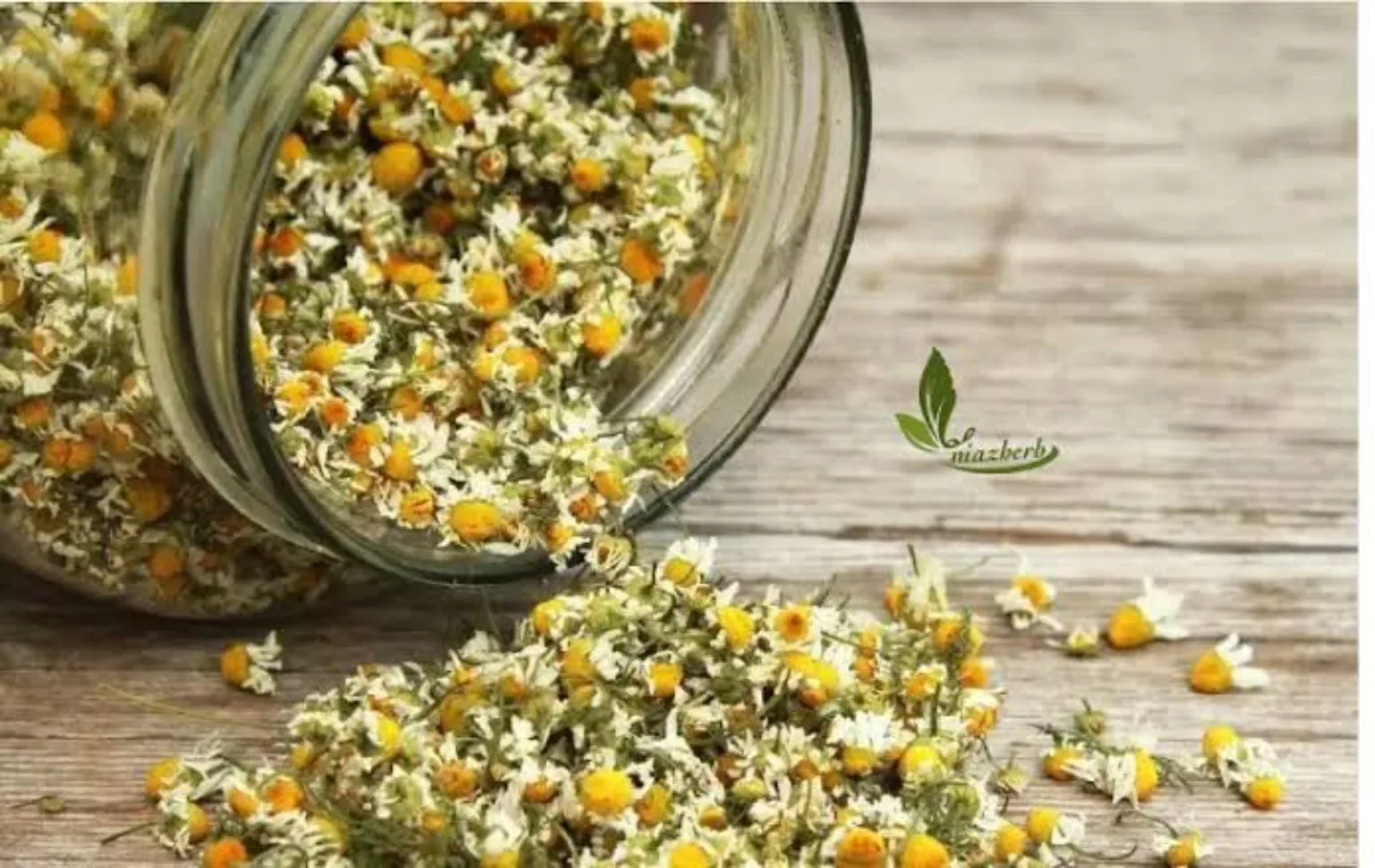
Dried chamomile flowers sourced for buyers who care about flower integrity, cleanliness, aroma and documented processing.
Chamomile is often sold through attractive imagery, but commercial buying depends on the condition of the dried flowers and the specification behind them. HKT Export sources chamomile for tea companies, botanical distributors, ingredient processors and other professional buyers who may need whole dried flower heads, flower-rich material, tea cut or further processed forms. Because several chamomile species and trade names can appear in the market, buyers should confirm the botanical identity required by their formulation, customer or labeling standard. HKT Export carries that requirement into supplier comparison instead of assuming every product called “chamomile” is interchangeable.Visual quality is particularly relevant for whole-flower and premium infusion grades. Buyers may evaluate the proportion of intact heads, petal condition, yellow-center appearance, stem content, dust, broken material and overall color. Aroma and dryness are also commercially important because poorly dried or badly stored flowers can lose value quickly.
For chamomile, the purchase specification should distinguish whole flower heads from broken flower material and define acceptable stem content, foreign matter, color, aroma, moisture and packaging. Pesticide-residue or microbiological requirements vary by destination and intended use, so they should be agreed before sampling rather than added after the lot is packed.
International searches for chamomile flowers wholesale, dried chamomile for sale, bulk chamomile supplier, Organic chamomile flowers and buying chamomile online often come from buyers who still need an offline procurement process after the first search. HKT Export converts that search intent into a structured RFQ: required species, flower form, grade, quantity, pack, destination, certification and test expectations. The buyer can then compare offers on a like-for-like basis instead of choosing between vague descriptions such as “premium” and “first grade.” Within Dried chamomile flowers sourced for buyers who care about flower integrity, cleanliness, aroma and documented processing, the subject of pesticide-residue program becomes a practical quality and procurement issue because residue expectations differ by destination and application. For pesticide-residue program, a useful purchase specification can turn that concern into measurable or clearly observable requirements covering target-market limits, requested analytes, sampling and acceptable laboratory. The commercial purpose of defining pesticide-residue program is not paperwork for its own sake; it is to make buyer, supplier and inspector use the same definition when they discuss the offered goods. Evidence for pesticide-residue program can be built around lot-specific laboratory report when required, with the depth of verification adjusted to order value, end use and the consequences of a non-conforming shipment. Remote purchasing makes pesticide-residue program especially important because photographs, samples, laboratory results and supplier statements answer different questions and should not be treated as interchangeable forms of proof. The principal control point around pesticide-residue program is that wild, natural or traditional does not mean residue compliant by definition; defining the issue before order confirmation gives both sides a fairer basis for acceptance, rejection or corrective action. From a commercial perspective on pesticide-residue program, testing needs time in the procurement schedule so unsuitable lots can be replaced before shipment, so the specification should be developed together with price, intended market and the buyer's downstream process rather than after a quotation has already been accepted. A well-defined approach to pesticide-residue program also improves negotiation because the buyer can separate mandatory criteria, preferred characteristics and descriptive features that do not determine acceptance.
Organic chamomile is commercially important in tea and wellness channels, but it should be treated as a certification question, not a visual quality label. HKT Export asks whether certification is current, which operator is certified, whether the product is covered by scope and what traceability the lot carries. If the buyer only needs pesticide-residue testing rather than Organic certification, that is a different request and should be stated separately. One requirement cannot safely be substituted for the other.
Chamomile may be imported under different regulatory classifications depending on its intended use and destination. HKT Export does not determine the final legal category or make medicinal claims. Instead, the sourcing team coordinates the commercial evidence requested by the buyer, which may include microbiological testing, pesticide residues, heavy metals, moisture or other quality parameters. Tea and infusion buyers may also care about cut size, infusion appearance and sensory consistency; extractors may focus on identity and feedstock suitability. Those are distinct buying profiles and should lead to distinct specifications.
Halal status is generally straightforward for pure dried flowers, yet some customers require formal certification or facility-level assurance. If the chamomile is blended, flavored, extracted or processed with carriers, the Halal review becomes more detailed. Packaging should protect fragile flowers from excessive compression, moisture and odor transfer. HKT Export can coordinate bulk cartons or lined bags, as well as more specialized packing when the buyer’s distribution model requires it. The commercial objective is a lot that arrives with the same identity and condition the buyer approved before shipment. Request product availability & quotation → For importers, ingredient buyers and formulators working with Dried chamomile flowers sourced for buyers who care about flower integrity, cleanliness, aroma and documented processing, microbiology program deserves explicit control because dried herbs can require microbiological limits for food, tea, nutraceutical or extraction applications. For microbiology program, a useful purchase specification can turn that concern into measurable or clearly observable requirements covering organisms, limits, sampling method and any accepted decontamination process. The commercial purpose of defining microbiology program is not paperwork for its own sake; it is to make buyer, supplier and inspector use the same definition when they discuss the offered goods. Evidence for microbiology program can be built around COA or independent test result linked to the lot, with the depth of verification adjusted to order value, end use and the consequences of a non-conforming shipment. Remote purchasing makes microbiology program especially important because photographs, samples, laboratory results and supplier statements answer different questions and should not be treated as interchangeable forms of proof. The principal control point around microbiology program is that visual appearance cannot establish microbiological suitability; defining the issue before order confirmation gives both sides a fairer basis for acceptance, rejection or corrective action. From a commercial perspective on microbiology program, treatment choices should be disclosed because steam, irradiation or other processes may affect claims or sensory quality, so the specification should be developed together with price, intended market and the buyer's downstream process rather than after a quotation has already been accepted. A well-defined approach to microbiology program also improves negotiation because the buyer can separate mandatory criteria, preferred characteristics and descriptive features that do not determine acceptance.
Chamomile grade should be linked to usable flower fraction, not only color photography. Whole heads, broken heads, stems, dust and fines can be quantified or at least bounded in the purchase specification, while gentle handling and compression limits help preserve presentation grade. For industrial extraction, the buyer may accept more broken material but require tighter compositional or contaminant controls, so the lowest visual grade is not automatically the lowest technical value.

Dried Iranian mint leaves sourced by species, leaf quality, cut, aroma and commercial application.
Mint is a broad trade name, so professional sourcing begins by separating the exact species and form the buyer needs. Peppermint, commonly associated with Mentha × piperita, and spearmint, commonly associated with Mentha spicata, can serve different flavor, tea, food, extraction and formulation requirements. Other locally traded mint materials may also be available. HKT Export therefore asks buyers to identify the required species or accepted botanical name whenever it matters commercially. A generic request for “mint” can otherwise produce several quotations that look comparable on price but represent different products.Dried mint may be sold as whole or broken leaves, leaf-rich material, cut-and-sifted tea grade, culinary cut or powder. Buyers often evaluate color, aroma, stem content, dust, foreign matter, moisture and particle distribution. A bright green appearance can be attractive, but it is not a complete quality system.
Mint should be specified by species and commercial form because peppermint, spearmint and other mint materials are not interchangeable. The buyer can define leaf-to-stem ratio, cut size, color and aroma expectations, moisture, foreign matter, packaging and any required laboratory checks. Repeat orders should be compared against a retained or otherwise documented approved reference.
Commercial searches such as dried mint wholesale, bulk mint leaves, peppermint leaf supplier, spearmint wholesale, Iranian mint exporter and dried mint for sale are typically the start of a sourcing process rather than the end. HKT Export works from the buyer’s desired species, cut, quantity, packaging and destination. The team can arrange samples and compare suppliers, but also checks whether the selected source can support repeat business. Mint is an agricultural product with seasonal variation, so a dependable program defines an acceptable range for color, aroma, cut and cleanliness instead of promising that every harvest will look identical. Within Dried Iranian mint leaves sourced by species, leaf quality, cut, aroma and commercial application, the subject of heavy-metal testing becomes a practical quality and procurement issue because roots, seeds and wild-collected botanicals may be subject to buyer limits for metals depending on market and use. For heavy-metal testing, a useful purchase specification can turn that concern into measurable or clearly observable requirements covering required elements, limits, method and sampling basis. The commercial purpose of defining heavy-metal testing is not paperwork for its own sake; it is to make buyer, supplier and inspector use the same definition when they discuss the offered goods. Evidence for heavy-metal testing can be built around current laboratory result for the relevant lot where requested, with the depth of verification adjusted to order value, end use and the consequences of a non-conforming shipment. Remote purchasing makes heavy-metal testing especially important because photographs, samples, laboratory results and supplier statements answer different questions and should not be treated as interchangeable forms of proof. The principal control point around heavy-metal testing is that generic purity claims do not replace quantitative evidence; defining the issue before order confirmation gives both sides a fairer basis for acceptance, rejection or corrective action. From a commercial perspective on heavy-metal testing, testing scope should be proportional to application and destination, so the specification should be developed together with price, intended market and the buyer's downstream process rather than after a quotation has already been accepted. A well-defined approach to heavy-metal testing also improves negotiation because the buyer can separate mandatory criteria, preferred characteristics and descriptive features that do not determine acceptance.
For tea buyers, particle size and visual leaf content may have high importance. For food manufacturers, microbiological profile, processing consistency and efficient bulk packing may matter more. Extractors may care about species and volatile characteristics rather than retail appearance. HKT Export keeps these end uses separate because the cheapest mint for one market can be the wrong input for another. Buyer-specific acceptance criteria improve both supplier selection and later quality control.
Organic dried mint has strong market appeal, but HKT Export only uses certified Organic terminology when the supplier can support the claim with appropriate documentation. Residue testing and Organic certification can both be useful, but they answer different questions. Buyers should tell HKT Export which one their customer or market requires. Halal documentation may be requested for pure dried mint and becomes especially relevant for flavored blends, extracts or other processed forms in which carriers, solvents or processing aids are introduced. For importers, ingredient buyers and formulators working with Dried Iranian mint leaves sourced by species, leaf quality, cut, aroma and commercial application, identity and adulteration risk deserves explicit control because high-value or powdered botanicals can require additional authenticity controls. For identity and adulteration risk, a useful purchase specification can turn that concern into measurable or clearly observable requirements covering morphology, microscopy, chemical markers or other buyer-approved identity tests. The commercial purpose of defining identity and adulteration risk is not paperwork for its own sake; it is to make buyer, supplier and inspector use the same definition when they discuss the offered goods. Evidence for identity and adulteration risk can be built around reference sample and laboratory evidence when justified, with the depth of verification adjusted to order value, end use and the consequences of a non-conforming shipment. Remote purchasing makes identity and adulteration risk especially important because photographs, samples, laboratory results and supplier statements answer different questions and should not be treated as interchangeable forms of proof. The principal control point around identity and adulteration risk is that related species or fillers may be difficult to detect after processing; defining the issue before order confirmation gives both sides a fairer basis for acceptance, rejection or corrective action. From a commercial perspective on identity and adulteration risk, supplier verification should increase as visual inspectability decreases, so the specification should be developed together with price, intended market and the buyer's downstream process rather than after a quotation has already been accepted. A well-defined approach to identity and adulteration risk also improves negotiation because the buyer can separate mandatory criteria, preferred characteristics and descriptive features that do not determine acceptance.
Powdered mint needs tighter attention to grinding hygiene, dust control and packaging. Whole leaf material is more visually inspectable, while powder relies more heavily on processor integrity and testing. HKT Export can coordinate lined bags, cartons or other bulk packaging based on product form and freight route. For buyers developing private-label herbal tea or seasoning products, consumer packaging can be discussed separately after the bulk ingredient and destination labeling requirements are defined.
Mint procurement should control species, leaf-to-stem ratio and cut distribution together. A tea or culinary buyer may prioritize green leaf appearance and a clean cut, while an extractor may care more about repeatable aromatic performance and low foreign matter. Because volatile loss can accelerate after cutting, the RFQ should also define processing date or freshness expectations, storage conditions and odor-barrier packing where these factors are commercially important.

Iranian asafoetida resin sourced as a specialty natural gum with clear form, purity and processing information.
Asafoetida is one of the products that gives an Iranian botanical portfolio genuine specialization. It is a gum-resin obtained from Ferula species and traded internationally under names such as asafoetida and hing. Because botanical species, resin quality and later compounding practices can vary, HKT Export does not treat every material sold under those names as identical. The sourcing brief should state whether the buyer needs raw gum-resin, tears or lumps, cleaned resin, granulated material, pure powder or compounded asafoetida prepared for food use.Raw resin is visually distinctive, but appearance alone cannot define purity. Buyers may consider aroma intensity, color, visible foreign matter, consistency, moisture, ash or other compositional and identity parameters depending on their application. Where laboratory specification is important, HKT Export asks the buyer to provide the required method or target and then checks which supplier can support representative testing.
Pure gum-resin or powder produced directly from the resin is not the same product as compounded hing, which may contain flour, starch, gum arabic or other carriers. The requirement should therefore state whether the buyer needs pure resin, pure powder or a compounded formulation and should define composition, physical form, packaging and the evidence required for acceptance.
For wild-collected or regionally collected material, source traceability and realistic seasonal volume also matter. A small collector may have excellent resin but may not be able to support a recurring industrial program without aggregation and lot-control procedures. Within Iranian asafoetida resin sourced as a specialty natural gum with clear form, purity and processing information, the subject of wild collection versus cultivation becomes a practical quality and procurement issue because source system can influence availability, variability, sustainability and certification options. For wild collection versus cultivation, a useful purchase specification can turn that concern into measurable or clearly observable requirements covering cultivated or collected status, collection area where appropriate, harvest practice and legal permissions. The commercial purpose of defining wild collection versus cultivation is not paperwork for its own sake; it is to make buyer, supplier and inspector use the same definition when they discuss the offered goods. Evidence for wild collection versus cultivation can be built around supplier declaration and supporting records when relevant, with the depth of verification adjusted to order value, end use and the consequences of a non-conforming shipment. Remote purchasing makes wild collection versus cultivation especially important because photographs, samples, laboratory results and supplier statements answer different questions and should not be treated as interchangeable forms of proof. The principal control point around wild collection versus cultivation is that uncontrolled collection can create inconsistent supply or environmental concerns; defining the issue before order confirmation gives both sides a fairer basis for acceptance, rejection or corrective action. From a commercial perspective on wild collection versus cultivation, buyers should match sourcing model to volume and repeatability needs, so the specification should be developed together with price, intended market and the buyer's downstream process rather than after a quotation has already been accepted. A well-defined approach to wild collection versus cultivation also improves negotiation because the buyer can separate mandatory criteria, preferred characteristics and descriptive features that do not determine acceptance.
This distinction is commercially important. Pure gum-resin or powder made directly from the resin is not the same product as compounded hing, which may include flour, starch, gum arabic or other carriers depending on the formulation. A buyer searching for asafoetida powder wholesale or hing for sale should therefore specify whether the requirement is pure or compounded. HKT Export keeps ingredient composition visible in the quotation so a lower-priced compounded product is not compared against a purer resin powder without explanation.
Searches for asafoetida resin supplier, Iranian asafoetida exporter, bulk hing, raw asafoetida for sale and buying asafoetida from Iran represent a specialized B2B audience. HKT Export can coordinate supplier qualification, sample review, packaging and export for those buyers. Organic claims require equal caution: wild collection or remote origin does not by itself equal certified Organic. If certification is required, the collection area, operator and chain of custody must fall within an appropriate certification system. For importers, ingredient buyers and formulators working with Iranian asafoetida resin sourced as a specialty natural gum with clear form, purity and processing information, organic certification deserves explicit control because organic should be used only when valid certification covers the operator, product and transaction chain. For organic certification, a useful purchase specification can turn that concern into measurable or clearly observable requirements covering certificate body, scope, validity, product listing and destination recognition. The commercial purpose of defining organic certification is not paperwork for its own sake; it is to make buyer, supplier and inspector use the same definition when they discuss the offered goods. Evidence for organic certification can be built around current certificate and transaction documentation where required, with the depth of verification adjusted to order value, end use and the consequences of a non-conforming shipment. Remote purchasing makes organic certification especially important because photographs, samples, laboratory results and supplier statements answer different questions and should not be treated as interchangeable forms of proof. The principal control point around organic certification is that natural, mountain-grown or pesticide-free language is not a substitute for certification; defining the issue before order confirmation gives both sides a fairer basis for acceptance, rejection or corrective action. From a commercial perspective on organic certification, certified supply may involve different availability, price and segregation requirements, so the specification should be developed together with price, intended market and the buyer's downstream process rather than after a quotation has already been accepted. A well-defined approach to organic certification also improves negotiation because the buyer can separate mandatory criteria, preferred characteristics and descriptive features that do not determine acceptance.
Asafoetida’s strong odor means packaging deserves unusual attention. The resin or powder should be contained in a way that limits odor transfer, leakage and contamination of neighboring goods. Depending on form and quantity, sealed inner liners, robust containers or multilayer packing may be appropriate. HKT Export coordinates the pack with the freight plan and keeps product description consistent across invoice, packing list and any certificates. For repeat orders, approved form, composition and pack should be recorded because small differences can materially change how the product performs for the buyer.
Asafoetida needs a resin-specific specification rather than a dried-herb template. The buyer should distinguish tears, masses, cleaned resin and milled material, define acceptable insoluble matter or ash where relevant, and state whether any carrier is permitted. Strong odor also creates a logistics issue: inner liners, sealed containers and segregation from odor-sensitive cargo can be as important as the laboratory specification when mixed loads are planned.

Iranian tragacanth gum sourced for specialty ingredient buyers who need form, cleanliness, functionality and traceability.
Tragacanth is a traditional Iranian natural gum with a very different buying logic from dried leaves or flowers. It is an exudate obtained from selected Astragalus species and may be traded in ribbon-like pieces, flakes, cleaned grades or powder. Species, collection region, physical form and processing can influence commercial properties, so HKT Export treats gum tragacanth as a specialty ingredient rather than simply another herb. Buyers should state whether they need visually selected ribbon material, flake gum for further processing, powdered gum or a grade defined by functional testing.Appearance can help distinguish obvious differences in raw gum, but ingredient buyers may also care about hydration behavior, viscosity, swelling, purity, ash, foreign matter, microbial condition or other technical parameters relevant to their formulation. The correct test method depends on the buyer’s industry and internal specification. HKT Export can coordinate supplier data and third-party testing where available, but it does not publish universal performance values as if every natural lot were identical.
Tragacanth should be specified by botanical source where available, physical form, cleanliness, moisture and the functional properties that matter to the intended process. Buyers using the gum as an industrial ingredient may also require viscosity, swelling, ash, microbiological or other agreed tests. The form offered—ribbon, flake, cleaned grade or powder—should be stated clearly in the quotation.
Queries such as Iranian tragacanth gum, gum tragacanth wholesale, bulk tragacanth supplier, tragacanth powder for sale and Persian gum exporter are highly targeted. The search volume may be smaller than for mint or chamomile, but the commercial value of a qualified enquiry can be higher because the buyer often has a specific industrial requirement. HKT Export asks for the desired physical form, target quantity, end-use industry, packaging and technical acceptance points before matching the enquiry with Iranian sources. Within Iranian tragacanth gum sourced for specialty ingredient buyers who need form, cleanliness, functionality and traceability, the subject of Halal-sensitive handling becomes a practical quality and procurement issue because botanicals may enter food, supplement or cosmetic systems that request Halal assurance. For Halal-sensitive handling, a useful purchase specification can turn that concern into measurable or clearly observable requirements covering buyer policy, processing aids, facility status and certificate scope where formal certification is needed. The commercial purpose of defining Halal-sensitive handling is not paperwork for its own sake; it is to make buyer, supplier and inspector use the same definition when they discuss the offered goods. Evidence for Halal-sensitive handling can be built around current relevant documentation, with the depth of verification adjusted to order value, end use and the consequences of a non-conforming shipment. Remote purchasing makes Halal-sensitive handling especially important because photographs, samples, laboratory results and supplier statements answer different questions and should not be treated as interchangeable forms of proof. The principal control point around Halal-sensitive handling is that the plant origin alone may not answer questions about processing or shared equipment; defining the issue before order confirmation gives both sides a fairer basis for acceptance, rejection or corrective action. From a commercial perspective on Halal-sensitive handling, requirements should be raised before milling, extraction or repacking, so the specification should be developed together with price, intended market and the buyer's downstream process rather than after a quotation has already been accepted. A well-defined approach to Halal-sensitive handling also improves negotiation because the buyer can separate mandatory criteria, preferred characteristics and descriptive features that do not determine acceptance.
Raw ribbon and flake gum can be fragile and may vary in color and shape. Powder adds a processing stage that raises questions about milling, sieving, contamination control and packaging. A buyer who plans to mill at destination may prefer cleaned raw gum, while another may need a ready-to-use powder. These routes should not be priced or evaluated as the same product. HKT Export keeps processing level visible so the buyer understands where value and risk are being added.
Wild or semi-wild collection makes tragacanth attractive to natural-product buyers, but “natural” and “Organic certified” are not synonyms. HKT Export only presents Organic status when a valid certification route can be documented. Halal requirements may be relatively simple for cleaned raw gum, yet powdering, blending or downstream formulation can introduce facility and ingredient questions. Buyers requiring formal Halal certification should specify that expectation at RFQ stage.
Authenticity and substitution risk are commercially important in specialty gums. HKT Export therefore encourages buyers to define identity and performance criteria appropriate to their use rather than relying solely on a visual sample or supplier name. Packaging should protect the gum from moisture, contamination and crushing, with bulk units selected according to whether the material is ribbon, flake or powder. The goal is a shipment that preserves the functional material the buyer approved and can be traced back to a defined source and lot. Request product availability & quotation → For importers, ingredient buyers and formulators working with Iranian tragacanth gum sourced for specialty ingredient buyers who need form, cleanliness, functionality and traceability, harvest timing deserves explicit control because harvest stage influences color, aroma, active constituents and physical integrity. For harvest timing, a useful purchase specification can turn that concern into measurable or clearly observable requirements covering harvest window, plant maturity and post-harvest delay. The commercial purpose of defining harvest timing is not paperwork for its own sake; it is to make buyer, supplier and inspector use the same definition when they discuss the offered goods. Evidence for harvest timing can be built around supplier production information and sample comparison, with the depth of verification adjusted to order value, end use and the consequences of a non-conforming shipment. Remote purchasing makes harvest timing especially important because photographs, samples, laboratory results and supplier statements answer different questions and should not be treated as interchangeable forms of proof. The principal control point around harvest timing is that early or late harvest can shift the commercial profile even within the same species; defining the issue before order confirmation gives both sides a fairer basis for acceptance, rejection or corrective action. From a commercial perspective on harvest timing, buyers should focus on performance for their application rather than a generic harvest story, so the specification should be developed together with price, intended market and the buyer's downstream process rather than after a quotation has already been accepted. A well-defined approach to harvest timing also improves negotiation because the buyer can separate mandatory criteria, preferred characteristics and descriptive features that do not determine acceptance.
For tragacanth, commercial grade is often connected to both appearance and function. Ribbon or flake geometry, color, foreign matter and milling form can be recorded at intake, while swelling behavior, hydration time or viscosity may be added when the buyer uses the gum for formulation. Functional tests are meaningful only when sample preparation, concentration, temperature and measurement method are defined, because natural hydrocolloids can otherwise produce results that are not comparable from one laboratory to another.
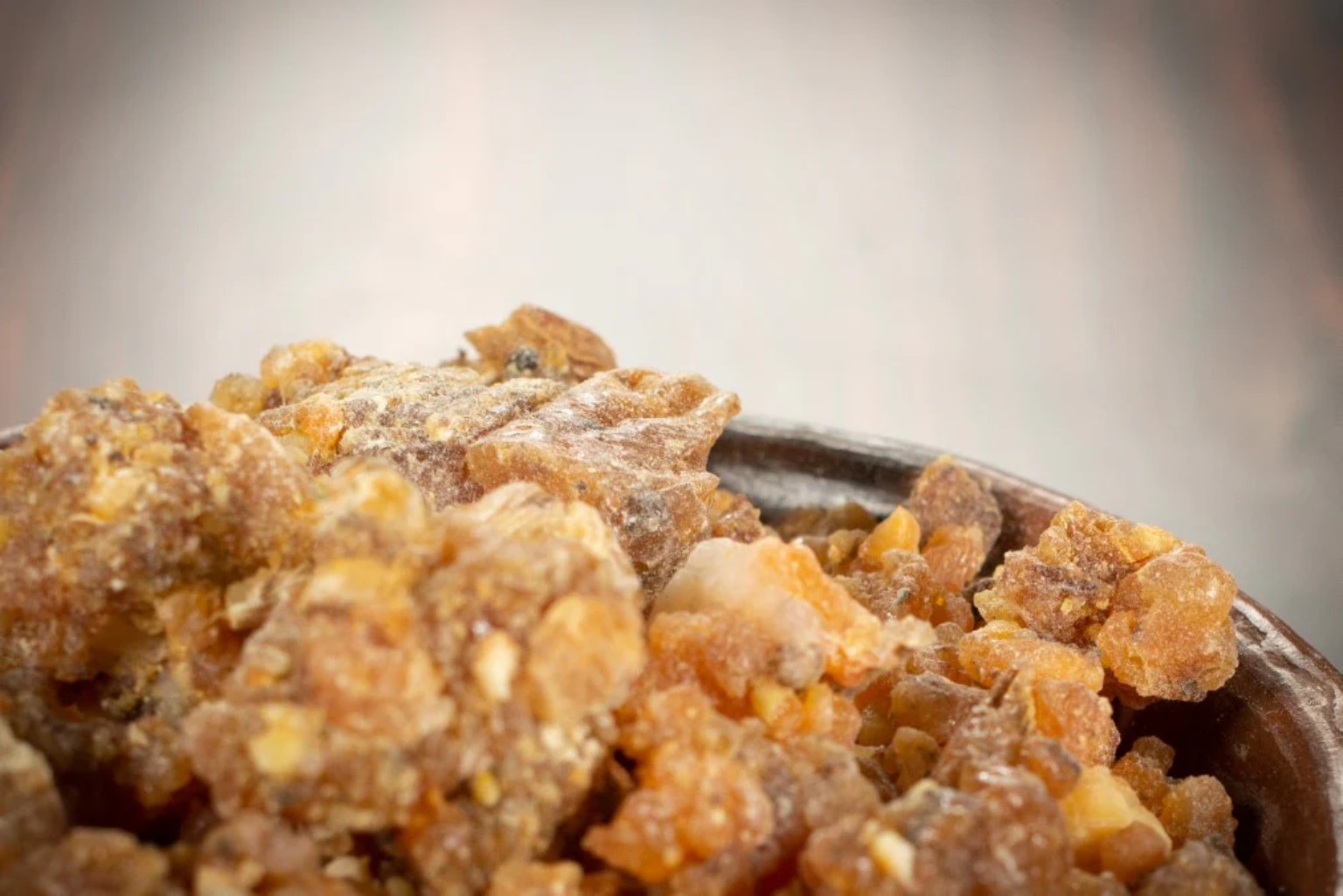
Iranian galbanum gum resin sourced for specialist fragrance, aromatic and botanical ingredient buyers.
Galbanum is a niche product, but it is precisely the kind of niche that can differentiate an Iranian sourcing company. Iranian galbanum is associated with Ferula gummosa and related trade terminology, and the gum-resin is used by specialist buyers in fragrance, aromatic and botanical ingredient markets. HKT Export presents galbanum as a raw material with a defined botanical and processing story, not as a generic “essential oil herb.” Buyers should specify whether they need crude gum-resin, selected lumps, cleaned material, material intended for extraction, or a processed derivative such as essential oil where an appropriate producer is available.Raw galbanum can vary in color, texture, odor profile, inclusions and consistency. These natural differences are part of why representative sampling matters. Fragrance and extraction buyers may have their own sensory, physical or analytical acceptance criteria and may later evaluate volatile composition or GC-MS data on processed oil.
For galbanum, the commercial offer should identify resin form, collection or processing condition, color and aromatic character, foreign matter, batch consistency, packaging and available documentation. Specialist fragrance or botanical buyers may request additional physical or analytical parameters, but these should be tied to the intended use and to the actual lot rather than presented as generic claims.
Commercial searches such as galbanum resin supplier, Iranian galbanum exporter, bulk galbanum gum, Ferula gummosa supplier and galbanum for sale are typically made by buyers who already understand the product category. For them, a useful supplier page must answer practical questions: what form is available, how was it collected or processed, what quantity can be supplied, can the source be repeated, how will the resin be packed, and what documents can accompany the shipment? HKT Export structures the enquiry around those questions instead of padding the page with unsupported therapeutic claims. Within Iranian galbanum gum resin sourced for specialist fragrance, aromatic and botanical ingredient buyers, the subject of drying discipline becomes a practical quality and procurement issue because drying is a critical transition from fresh plant to stable export material. For drying discipline, a useful purchase specification can turn that concern into measurable or clearly observable requirements covering drying method, temperature exposure, bed depth, hygiene and protection from dust or animals. The commercial purpose of defining drying discipline is not paperwork for its own sake; it is to make buyer, supplier and inspector use the same definition when they discuss the offered goods. Evidence for drying discipline can be built around process description and finished-lot checks, with the depth of verification adjusted to order value, end use and the consequences of a non-conforming shipment. Remote purchasing makes drying discipline especially important because photographs, samples, laboratory results and supplier statements answer different questions and should not be treated as interchangeable forms of proof. The principal control point around drying discipline is that poor drying can cause browning, aroma loss, uneven moisture or microbial risk; defining the issue before order confirmation gives both sides a fairer basis for acceptance, rejection or corrective action. From a commercial perspective on drying discipline, processing expectations should reflect whether appearance or extract yield is the buyer's priority, so the specification should be developed together with price, intended market and the buyer's downstream process rather than after a quotation has already been accepted. A well-defined approach to drying discipline also improves negotiation because the buyer can separate mandatory criteria, preferred characteristics and descriptive features that do not determine acceptance.
Wild-collection products can be highly seasonal and may depend on regional collection capacity. A reliable quote should therefore include realistic available volume and lead time. If a buyer plans recurring purchases, HKT Export can explore whether one source is sufficient or whether qualified aggregation with lot control is required. The first order should establish a reference for visual form, odor, contamination tolerance, packaging and any technical analysis the buyer considers important.
Galbanum may be natural and wild-collected, but that does not automatically create certified Organic status. Certification of wild collection requires a formal system and defined collection area. HKT Export only uses Organic terminology when documentary evidence can be reviewed. Halal questions may be uncomplicated for raw gum-resin but can become more important when distillation, extraction, solvents, carriers or formulation are involved. Buyers should specify the level of Halal evidence they require for the exact commercial form. For importers, ingredient buyers and formulators working with Iranian galbanum gum resin sourced for specialist fragrance, aromatic and botanical ingredient buyers, cleaning and sorting deserves explicit control because raw botanicals often need staged cleaning before they are suitable for export or processing. For cleaning and sorting, a useful purchase specification can turn that concern into measurable or clearly observable requirements covering screening, aspiration, hand sorting, destoning, magnetic control or other product-appropriate steps. The commercial purpose of defining cleaning and sorting is not paperwork for its own sake; it is to make buyer, supplier and inspector use the same definition when they discuss the offered goods. Evidence for cleaning and sorting can be built around processing flow and pre-shipment sample, with the depth of verification adjusted to order value, end use and the consequences of a non-conforming shipment. Remote purchasing makes cleaning and sorting especially important because photographs, samples, laboratory results and supplier statements answer different questions and should not be treated as interchangeable forms of proof. The principal control point around cleaning and sorting is that excessive cleaning can raise cost while insufficient cleaning shifts cost and risk to the importer; defining the issue before order confirmation gives both sides a fairer basis for acceptance, rejection or corrective action. From a commercial perspective on cleaning and sorting, the agreed grade should state which cleaning is included, so the specification should be developed together with price, intended market and the buyer's downstream process rather than after a quotation has already been accepted. A well-defined approach to cleaning and sorting also improves negotiation because the buyer can separate mandatory criteria, preferred characteristics and descriptive features that do not determine acceptance.
Packaging should contain the aromatic material effectively and protect it from contamination, heat and unsuitable storage. For processed oils or extracts, containers and technical documentation change substantially compared with raw resin. HKT Export keeps these forms separate in quotations and export documents. That precision helps fragrance and botanical buyers avoid one of the most common sourcing problems in niche ingredients: receiving a product that shares a trade name with the requested material but differs in processing, purity or intended use.
Galbanum should be handled as an aromatic resin with high sensitivity to source, storage and heat exposure. A commercial file can record resin form, visible inclusions, color, odor profile, packaging condition and representative sample identity; fragrance or extraction buyers may then add volatile-profile testing for the actual lot. Sealed containers and controlled storage reduce avoidable loss of aromatic character and help prevent cross-odor transfer during consolidation.

Lavender is retained as a supporting botanical category that demonstrates how HKT Export handles processed and aromatic forms differently from raw herbs.
Lavender is not the anchor product on this page, but it is commercially useful because it illustrates the difference between a dried botanical and a processed aromatic product. International buyers may request dried lavender flowers, flower-rich material, aromatic extracts, essential-oil-related products or finished botanical preparations. Those are separate products with separate technical questions. HKT Export does not label every purple aromatic liquid as lavender essential oil, nor does it assume an “extract” and an essential oil are interchangeable. The supplier must identify the product accurately before a commercial quotation is accepted.For dried lavender, buyers may care about species, flower color, stem content, aroma, dryness, foreign matter and presentation. For essential oil, the conversation can move toward botanical species, distillation method, physical parameters, chromatographic profile, container type and batch documentation. For an extract, extraction solvent, concentration, carrier, residual-solvent expectations and intended application may matter.
Lavender orders should distinguish dried flowers from essential oil or processed extracts. Dried material is evaluated through species, flower content, stem content, color, aroma, moisture, cleanliness and packing; essential oil or extract requires a different set of production, composition, container and batch-documentation checks. Organic status should be stated only when current certification can be verified.
Buyers searching for lavender wholesale, bulk lavender flowers, lavender botanical extract supplier or Organic lavender ingredients may encounter many visually attractive offers online. HKT Export adds commercial verification: supplier identity, product definition, sample relationship to the commercial batch, processing capability, packaging and available documentation. Certified Organic status is used only when certification can be checked. A naturally cultivated or pesticide-conscious supplier may be commercially attractive, but those descriptions should not be converted into a certification claim. Within Lavender is retained as a supporting botanical category that demonstrates how HKT Export handles processed and aromatic forms differently from raw herbs, the subject of sampling design becomes a practical quality and procurement issue because a small botanical sample must represent a heterogeneous bulk lot. For sampling design, a useful purchase specification can turn that concern into measurable or clearly observable requirements covering number of increments, composite approach, sample size and sealing. The commercial purpose of defining sampling design is not paperwork for its own sake; it is to make buyer, supplier and inspector use the same definition when they discuss the offered goods. Evidence for sampling design can be built around documented sampling procedure for higher-risk orders, with the depth of verification adjusted to order value, end use and the consequences of a non-conforming shipment. Remote purchasing makes sampling design especially important because photographs, samples, laboratory results and supplier statements answer different questions and should not be treated as interchangeable forms of proof. The principal control point around sampling design is that top-of-bag or handpicked samples can hide variation in the lot; defining the issue before order confirmation gives both sides a fairer basis for acceptance, rejection or corrective action. From a commercial perspective on sampling design, test results are only as useful as the sample submitted, so the specification should be developed together with price, intended market and the buyer's downstream process rather than after a quotation has already been accepted. A well-defined approach to sampling design also improves negotiation because the buyer can separate mandatory criteria, preferred characteristics and descriptive features that do not determine acceptance.
Halal review depends strongly on product form. Pure dried flowers have a simple ingredient profile, but extracts and aromatic preparations may use alcohol, other solvents, carriers or processing aids that require buyer review. Essential oils may also be filled or repacked in facilities handling multiple products. If Halal certification is part of the purchasing specification, HKT Export asks for evidence at the relevant processing stage rather than relying on the plant origin alone.
Dried flowers, concentrated oils and liquid extracts require very different containers. Fragile dried flowers need volume and compression protection, while essential oils require compatible sealed containers, controlled headspace and protection from light or heat as appropriate. Extracts may have their own storage and shelf-life conditions. HKT Export coordinates packaging and transport based on the actual product form and avoids using one generic botanical packing instruction for every lavender-related product.
The broader commercial lesson applies across the medicinal-herb page: processing adds value but also adds technical responsibility. When the buyer moves from a visible raw herb into powders, extracts, oils or formulated ingredients, accurate product identity and documentation become more important. Lavender gives HKT Export a clear example of that principle while remaining available as a sourcing option where a qualified Iranian producer can meet the buyer’s specification. Request product availability & quotation → For importers, ingredient buyers and formulators working with Lavender is retained as a supporting botanical category that demonstrates how HKT Export handles processed and aromatic forms differently from raw herbs, COA interpretation deserves explicit control because a certificate of analysis should answer the buyer's specification rather than function as a generic brochure. For COA interpretation, a useful purchase specification can turn that concern into measurable or clearly observable requirements covering lot number, test date, methods, results and laboratory identity. The commercial purpose of defining COA interpretation is not paperwork for its own sake; it is to make buyer, supplier and inspector use the same definition when they discuss the offered goods. Evidence for COA interpretation can be built around current COA tied to the offered or shipped lot, with the depth of verification adjusted to order value, end use and the consequences of a non-conforming shipment. Remote purchasing makes COA interpretation especially important because photographs, samples, laboratory results and supplier statements answer different questions and should not be treated as interchangeable forms of proof. The principal control point around COA interpretation is that old or unrelated certificates can create false confidence; defining the issue before order confirmation gives both sides a fairer basis for acceptance, rejection or corrective action. From a commercial perspective on COA interpretation, buyers should distinguish supplier in-house results from independent laboratory results when that distinction matters, so the specification should be developed together with price, intended market and the buyer's downstream process rather than after a quotation has already been accepted. A well-defined approach to COA interpretation also improves negotiation because the buyer can separate mandatory criteria, preferred characteristics and descriptive features that do not determine acceptance.
The term 'lavender product' should never collapse dried flowers, essential oil and extracts into one specification. Dried flowers are purchased through botanical identity, flower-to-stem ratio, color, cleanliness and moisture; essential oil requires a batch-specific physical and compositional file; extracts require solvent, concentration, carrier and residual-solvent information where applicable. Keeping these forms separate prevents a visually attractive raw-material offer from being treated as evidence for a processed ingredient.

Iranian borage, known locally as gol gavzaban, sourced with botanical identity clearly separated from common borage used in other markets.
Iranian borage deserves special treatment because translation can create a real buying error. The Persian name gol gavzaban is commonly associated in Iran with Echium amoenum, while international buyers may use “borage” to mean Borago officinalis. These are not the same botanical. HKT Export therefore places the botanical identity at the center of the offer. A buyer looking specifically for Iranian borage should confirm whether Echium amoenum is the desired species and whether it is legally and commercially appropriate for the intended destination and use.The dried purple flowers are visually distinctive and can be purchased for herbal infusion, botanical blending or other permitted applications depending on market. Buyers may assess flower color, proportion of usable flower material, stems or foreign matter, dryness, storage condition and cleanliness. Because premium appearance is part of the value, excessive crushing or poor packaging can significantly reduce commercial quality.
Iranian gol gavzaban is commonly associated with Echium amoenum, while “borage” in other markets may refer to Borago officinalis. The quotation should therefore keep the botanical identity explicit. For dried Echium amoenum flowers, buyers can define flower color and integrity, stem or foreign-matter limits, moisture, cleanliness, packaging and any market-specific laboratory requirements.
Species clarity is also relevant to regulatory review. Different botanicals can face different food, herbal or supplement rules in destination markets. HKT Export does not tell the importer that a product is legally permitted for a particular consumer claim. The importer should confirm applicable rules and any compositional or contaminant limits. Once those requirements are provided, HKT Export can search for suppliers and testing options capable of supporting the order.
Organic Iranian borage may be of interest to specialty tea and botanical brands, but certified Organic status must be supported by valid documents. Where formal certification is not available or not required, buyers may instead request cultivation information or pesticide-residue testing. Those are separate commercial tools and should be described accurately. Halal documentation may also be requested by some markets; pure dried flowers usually have a simple ingredient profile, while any later blending, flavoring or extract processing needs broader review. For importers, ingredient buyers and formulators working with Iranian borage, known locally as gol gavzaban, sourced with botanical identity clearly separated from common borage used in other markets, tea and infusion requirements deserves explicit control because herbal tea buyers combine visual, sensory and food-safety priorities. For tea and infusion requirements, a useful purchase specification can turn that concern into measurable or clearly observable requirements covering cut size, leaf or flower integrity, brew color, aroma, foreign matter and microbiological specification. The commercial purpose of defining tea and infusion requirements is not paperwork for its own sake; it is to make buyer, supplier and inspector use the same definition when they discuss the offered goods. Evidence for tea and infusion requirements can be built around standardized infusion test and reference sample, with the depth of verification adjusted to order value, end use and the consequences of a non-conforming shipment. Remote purchasing makes tea and infusion requirements especially important because photographs, samples, laboratory results and supplier statements answer different questions and should not be treated as interchangeable forms of proof. The principal control point around tea and infusion requirements is that dry appearance alone does not predict cup quality; defining the issue before order confirmation gives both sides a fairer basis for acceptance, rejection or corrective action. From a commercial perspective on tea and infusion requirements, blend compatibility and dosing economics should be evaluated before scale-up, so the specification should be developed together with price, intended market and the buyer's downstream process rather than after a quotation has already been accepted. A well-defined approach to tea and infusion requirements also improves negotiation because the buyer can separate mandatory criteria, preferred characteristics and descriptive features that do not determine acceptance.
Packaging should protect the dried flowers from moisture, crushing, odor transfer and excessive light. Small premium retail packs may prioritize presentation, while bulk buyers may need cartons or lined bags that preserve flower integrity during international transport. HKT Export can coordinate either route once quantity, destination and labeling responsibility are clear. Iranian borage is therefore treated not only as a culturally recognizable product, but as a precisely identified botanical that can be sourced and exported under a professional buyer specification.
For Echium amoenum flowers, identity control and gentle logistics are inseparable. The flower is visually fragile, so compression, humidity and rough handling can reduce saleable grade even when the botanical material is genuine. Buyers should therefore define botanical name, usable flower fraction, color tolerance, foreign matter, moisture and pack density, then add any market-specific safety tests required for the intended legal category at destination.
From a broad enquiry to a controlled Iranian botanical purchasing program.
HKT Export converts a broad botanical enquiry into a product-by-product procurement process in which botanical identity, plant part, physical form, quality evidence, quotation, packaging and export execution are defined for the actual item being purchased.
The first step is to identify exactly what the buyer is purchasing. A commercial RFQ should name the botanical, plant part, physical form and intended business use. “Licorice” should become whole root, cut root, powder or extract.
Send an RFQ to HKT Export →A repeat-supply program should create a traceable chain from approved specification to sample, purchase lot, test report, packing list and shipment. HKT Export can retain the commercial reference, record approved deviations and flag material changes in source, processing or pack before a repeat order is released. This is more useful to professional buyers than treating every shipment as a new spot purchase with no documented continuity.
For Commercial buying framework • all medicinal herbs From a broad enquiry to a controlled Iranian botanical purchasing program., the purchasing file should connect the photographed item to a clear product description, declared materials, dimensions or capacity, current condition, packaging method and destination requirements. Buyers can then compare offers on the same basis and request evidence for any claim that affects price, performance, safety or acceptance.
A useful inspection record for Commercial buying framework • all medicinal herbs From a broad enquiry to a controlled Iranian botanical purchasing program. identifies the actual lot, unit or production run shown in the images. It records the agreed checkpoints, observable tolerances, available certificates and any accepted deviation. This prevents a sample, catalogue image or earlier test result from being mistaken for evidence relating to the final shipment.
Commercial evaluation of Commercial buying framework • all medicinal herbs From a broad enquiry to a controlled Iranian botanical purchasing program. should cover more than the quoted unit price. Quantity, minimum order, preparation time, testing, packing, inland transport, Incoterms, documentation and replacement responsibility can materially change delivered cost. These items should be stated before the order is released rather than reconstructed after shipment.
10. Shirazi thyme and mint: manage aroma, leaf fraction and cut
Aromatic leafy herbs are purchased with the nose, the eye and the laboratory, but each tool answers a different question. Aroma can quickly reveal stale storage, foreign odors or a weak aromatic profile, while visual inspection shows leaf color, stem proportion, dust and cut uniformity. Laboratory testing can then address identity, moisture, volatile-oil related parameters or buyer-specific contaminants. For Shirazi thyme, the buyer should define botanical identity carefully because “thyme” is a broad commercial term. Leaf-to-stem ratio and the treatment of flowering tops can change appearance and extraction behavior. For dried mint, species and intended use should be clarified, because a tea buyer, seasoning company and essential-oil processor may prefer different forms. Mechanical cutting can improve uniformity but may also create fines if the material is too dry. Excessive compression in sacks can crush leaves and accelerate loss of visual quality. Aromatic herbs should also be protected from neighboring cargoes with strong odors. A container that previously carried chemicals, detergents or strongly scented goods may be unsuitable even when physically clean. For repeat supply, HKT Export can request an approved reference sample and compare new lots against it for color, cut, stem fraction and sensory character before the buyer commits to the full commercial quantity.
12. Chamomile and lavender: protect delicate flowers from unnecessary damage
Flower products create a different handling problem from roots and seeds. Buyers often pay for visual integrity, recognizable flower structure, color and aromatic character, yet those same features can be damaged by excessive drying, rough conveying, compression and repeated repacking. Chamomile specifications may therefore include whole-head proportion, stem content, broken fraction, dust, color and sensory condition in addition to moisture and any required laboratory controls. Lavender may be purchased as whole flowering material, separated flowers or another defined form depending on the downstream use. Strong aroma by itself is not proof of identity or purity, and prolonged exposure to heat can change the volatile profile while leaving the material visually acceptable. Packaging should balance physical protection with freight efficiency; compressing delicate flowers simply to reduce cubic volume can destroy the visual grade that justified the purchase. For buyers using flowers in visible tea blends, the acceptable broken fraction can be commercially important even if extraction performance remains satisfactory. HKT Export can request handling information from processors, inspect representative samples and align carton, bag or liner selection with the buyer’s priority. When visual grade drives the price, reference photography should be tied to an approved physical sample rather than used as the only evidence, because lighting and image processing can exaggerate color and cleanliness.
13. Asafoetida and galbanum: treat oleo-gum-resins as specialist materials
Asafoetida and galbanum should not be managed like ordinary dried leaves. They are resinous botanical materials whose commercial behavior depends on form, cleanliness, age, storage temperature, aromatic profile and the way exudate has been collected and consolidated. A buyer should specify whether it requires tears, masses, selected pieces, powder, compounded material or another processed form. For natural resin, the proportion of bark, soil, stones and other collection debris can materially affect usable yield. Sticky surfaces can also trap foreign material during handling. Aroma is commercially important, but sensory strength alone cannot establish purity. Where a fragrance, flavor or industrial customer requires a chemical profile, sample preparation and analytical method should be agreed in advance. Packaging must account for softening, odor migration and adhesion to liners. Resinous materials may need inner protection that ordinary woven sacks do not provide. They should also be segregated from odor-sensitive cargo. HKT Export can structure the enquiry around the requested physical form, end use and evidence package, because a quotation for raw resin is not comparable with a cleaned or compounded product. In repeat purchasing, retained samples are especially useful: changes in color, odor, hardness or foreign-matter level can be recognized quickly even before a full laboratory comparison is completed.
A deeper technical framework for buying Iranian medicinal herbs as controlled botanical raw materials.
A professional medicinal-herb purchase should not begin with a photograph and a price per kilogram. It should begin with a specification that defines the botanical material, the plant part, the physical form, the intended industrial use, the evidence expected from the supplier and the conditions under which a commercial lot will be accepted. The following guidance expands the HKT Export medicinal-herb portfolio into a practical procurement framework for importers, extractors, tea and infusion companies, ingredient distributors, fragrance users and other professional buyers. It is deliberately written around measurable controls and commercial decisions rather than health claims. Exact laboratory limits, pharmacopoeial requirements, food-law requirements and destination-market rules remain buyer- and market-specific and must be agreed before shipment.
1. Build the purchase specification before comparing quotations
Two offers described with the same common name can represent materially different commodities. A quotation for “thyme” may refer to different species, different proportions of leaves and stems, different cut sizes and very different aromatic intensity. “Licorice” may mean whole root, washed root, sliced root, cut-and-sifted material or powder. “Tragacanth” may be ribbons, flakes, selected grades or milled material. For this reason, the first commercial document should be a product specification rather than a request for a generic price. The specification should identify the scientific name where it is known, the required plant part, origin, crop or collection period if relevant, physical form, target cleanliness, packaging, sample size, laboratory documents and the buyer’s acceptance procedure. Mandatory requirements should be separated from preferences. That distinction prevents unnecessary rejection of commercially usable material and also prevents a supplier from treating an important quality requirement as an optional characteristic. A good specification also defines what happens when a result is borderline, whether retesting is allowed, which laboratory has authority in a dispute, and whether approval of a pre-shipment sample represents approval of the shipment or only approval of appearance. HKT Export can organize supplier comparison around this structure so that quotations are compared on equivalent technical assumptions instead of price alone.
2. Botanical identity and plant-part control
Botanical identity is the foundation of traceability because a common name can cover multiple related plants in different languages and trading regions. The purchase file should therefore connect the commercial name to the Latin binomial, the plant part and, where necessary, a recognized botanical reference or supplier identification method. This is especially important for borage-type products, aromatic herbs and materials collected from the wild, where vernacular names may not correspond neatly across countries. Plant-part control is equally important. Roots, leaves, flowers, fruits, seeds, aerial parts, gums and oleo-gum-resins have different physical and chemical profiles and are not interchangeable simply because they belong to the same species. Visual examination, supplier records, microscopy or other identity methods can be selected according to risk and end use. The buyer should also define the tolerated proportion of unwanted plant parts—for example excess stems in a leaf product, excess broken material in flower heads, or bark and soil residues around roots. The objective is not to create laboratory work for its own sake. It is to make sure the sample, the COA, the purchase order, the label and the shipment all describe the same botanical commodity. When identity is clarified before price negotiation, later disagreements become easier to resolve and substitute material is less likely to enter the supply chain unnoticed.
3. Harvest, collection and post-harvest history
The condition of medicinal plant material is strongly influenced by what happens before it reaches the exporter. Harvest timing affects maturity, aroma, color, seed fill, root condition and the ratio of desirable to undesirable plant parts. Collection after rain, contact with wet soil, delayed transport from field to drying area, excessive pile depth or slow ventilation can create quality problems that no later cleaning step can fully reverse. For cultivated materials, buyers may want information about growing region, harvest window and post-harvest handling. For wild-collected gums, resins or roots, the sourcing discussion may also include collection practice, sorting, sustainability considerations and the degree of aggregation through local traders. A professional supplier file should explain the practical chain: where the material comes from, who performs primary cleaning, where drying or curing occurs, how lots are separated and at which point a batch number is assigned. This history matters because a clean final photograph does not reveal whether separate origins were mixed, whether an older lot was blended into a new crop, or whether the goods spent time under unsuitable humidity. HKT Export can use supplier interviews, representative samples and shipment documentation to make this chain more visible. For repeat contracts, recording harvest and post-harvest variables also creates a baseline that helps explain why aroma, color or processing behavior changed from one lot to the next.
4. Drying, moisture and storage stability
“Dry” is not a complete technical description. Different botanical forms reach commercial stability at different moisture levels, and the number that matters to a buyer may be moisture content, loss on drying, water activity or a combination of observations and tests. Excess moisture can increase the risk of microbial growth, clumping, discoloration, odor change and packaging damage, while overly aggressive drying can reduce aroma, darken delicate flowers or make leaves excessively brittle. The appropriate control therefore depends on the product and end use. A buyer should state the method used for any numerical moisture limit because different analytical methods are not automatically equivalent. Storage conditions also need attention after drying. Botanical materials can absorb humidity from the environment, so a lot that passed at packing can change if bags are left open or stored against a damp wall. Warehouses should protect the goods from rain, condensation, pests, strong odors and direct contamination. For aromatic materials, excessive heat and long storage can reduce volatile intensity even when the product remains visibly clean. Packaging design should therefore be considered together with expected storage duration and transport route. Where the order is commercially important, HKT Export can request representative testing close to loading and can align bag liners, sealing, palletization and container-loading practices with the sensitivity of the specific herb rather than using one packaging rule for every botanical product.
5. Physical grading, foreign matter and visual acceptance
Physical quality should be translated into observable acceptance criteria. Depending on the product, the buyer may care about root diameter, cut length, leaf-to-stem ratio, whole-flower percentage, seed uniformity, powder fineness, gum color, resin cleanliness, dust, stones, soil, fibers or insect-damaged pieces. A single adjective such as “premium” does not define any of those characteristics. Representative sampling is important because a hand-picked photograph can show the best pieces without representing the lot. For whole and cut botanicals, a simple inspection tray can reveal variation in size, plant-part ratio and foreign material. Sieve analysis can be useful when cut size or powder distribution affects extraction, tea-bag filling or processing. Buyers should distinguish naturally occurring variation from defects. Chamomile flowers, for example, will not behave like machined components with identical dimensions, while a defined percentage of broken heads may still matter commercially. Similarly, tragacanth grades may be separated by appearance and form without implying a universal quality ranking for every application. HKT Export’s role is to convert the buyer’s intended use into criteria that suppliers can understand and that can be checked on a sample or during pre-shipment inspection. This approach reduces subjective arguments after arrival and makes price differences easier to justify because the quality variables behind each offer are visible.
6. Contaminant and residue risk should be planned, not guessed
Testing every possible contaminant on every lot is not always commercially efficient, but ignoring contamination risk is not acceptable either. A sensible control plan starts with the product, origin, cultivation or collection method, processing steps, destination market and intended use. Pesticide-residue expectations may differ for cultivated herbs and wild-collected gums; heavy-metal risk can be influenced by soil and environmental conditions; mycotoxin concerns are linked to product type and storage history; and physical contamination can arise during drying, milling or handling. The buyer should identify which tests are mandatory for regulatory or customer reasons and which are risk-based verification tests. Laboratory method, reporting unit, limit of quantification and the identity of the tested lot should be clear on the report. An attractive COA from a previous season is not evidence for a new shipment. HKT Export can request current batch-linked documentation and can distinguish supplier declarations from independent laboratory results. When a buyer requires testing by a named laboratory or an accredited method, that requirement should be stated before the order is priced because sampling, courier costs, test duration and re-testing rules affect the schedule. A documented risk plan also helps avoid the opposite problem: paying for a large panel of analyses that has no connection to the buyer’s legal or technical needs.
7. Microbiological quality and hygiene controls
Dried herbs are agricultural materials, not sterile ingredients. The appropriate microbiological criteria depend on whether the product will be extracted, heat-treated, used in an infusion, added directly to food, processed into supplements or handled under another industrial route. A buyer should therefore define required microbiological parameters and limits according to the destination market and downstream process rather than assuming that one universal “food grade” statement is sufficient. Supplier hygiene still matters even when later processing includes a reduction step. Drying surfaces, milling equipment, worker handling, storage bags and pest control can influence the microbial burden and the risk of specific contamination. Powdered material generally requires closer process scrutiny because milling increases surface area and combines material from many individual pieces. If steam treatment, irradiation or another microbial-reduction process is proposed, the buyer should approve the method and confirm its regulatory acceptability for the intended market. Treatment should never be used to hide poor raw-material handling. For export orders, HKT Export can coordinate batch-specific microbial testing when requested and can document whether results belong to raw material before treatment or to the final offered form. Clear sampling dates and lot references are essential, because a report detached from the actual commercial lot has limited value even when the numbers themselves look satisfactory.
8. Analytical profiles, markers and fit-for-purpose testing
Laboratory testing should answer a commercial question. For licorice, an extractor may care about identity and a defined marker profile; for thyme, mint, fennel or lavender, an aromatic buyer may request volatile-oil content or a chromatographic profile; for gums, viscosity, swelling, solubility behavior or other functional tests may matter more than aroma. The correct analytical package therefore differs by product and application. Buyers should avoid requesting a test simply because it appeared on another supplier’s COA. Instead, each parameter should have a reason: identity confirmation, regulatory compliance, process yield, sensory consistency or customer specification. Method details matter because results from different methods may not be directly comparable. Where chromatographic analysis is used, the commercial discussion should specify whether the buyer needs a fingerprint, identification of principal constituents, quantitative limits for selected markers, or a complete method-defined profile. Natural variation between crops should also be expected; the purpose of a specification is to define an acceptable operating window, not to pretend botanical materials are chemically identical from year to year. HKT Export can organize samples and laboratory documentation around the buyer’s stated analytical objective. For repeat supply, keeping historical results by batch creates a useful trend record and can highlight meaningful change before a shipment reaches the customer’s production line.
16. Sampling must represent the commercial lot
A laboratory result is only as credible as the sample behind it. For large botanical lots, taking material from the top of one bag can miss variation between bags, pallet positions or parts of the pile. The sampling plan should therefore reflect lot size, packaging configuration and the type of test. A composite sample may be appropriate for some average characteristics, while separate samples may be needed when the buyer wants to understand variation or investigate a suspected problem. Sampling tools should be clean and suitable for the material, and the sample container should protect against moisture loss, contamination and odor transfer. Each sample should carry the lot code, sampling date and identity of the person or organization responsible. When possible, a retained sealed sample should be kept by the supplier or exporter and another by the buyer. This becomes valuable if an arrival test differs from the pre-shipment result. Chain of custody is particularly important when an independent laboratory result is used as a contractual acceptance condition. HKT Export can coordinate sampling instructions with suppliers and inspection partners so the sample sent to the laboratory is connected to the actual lot being loaded. The purpose is not to make every shipment bureaucratic; it is to ensure that a certificate used to release a high-value order genuinely represents the goods for which the buyer is paying.
17. COA, traceability and document consistency
A professional document set should tell one coherent story. The product name on the commercial invoice, packing list, label, certificate of analysis, phytosanitary or health-related document where applicable, and certificate of origin should not describe conflicting commodities. Lot numbers and net weights should also reconcile. A COA should identify the tested sample or batch, the test date, methods or method references where relevant, results and units, and the laboratory or responsible quality function. Buyers should distinguish a supplier specification sheet—which states intended limits—from a batch COA—which reports results for a particular lot. They should also distinguish a certificate from a marketing statement. Organic, Halal or other certification should be current, applicable to the operator and product scope, and appropriate to the transaction rather than assumed from a logo shown on a website. Traceability should connect the shipped lot back to a supplier or processor and, where commercially required, to crop or collection records. HKT Export can assemble the export file so documents are reviewed before dispatch rather than corrected after cargo has reached a port. Early document review is especially useful when product descriptions must be translated for customs or banking purposes. Consistency reduces clearance questions and gives the buyer a stronger technical record for its own supplier-approval system.
18. Packaging, container loading and odor protection
Packaging is part of quality control, not a final cosmetic step. Roots can puncture weak liners, powders can leak through unsuitable seams, delicate flowers can be crushed, gums can absorb moisture and resins can soften or adhere to packaging. The correct system therefore depends on product form, bag weight, palletization, expected handling and transport duration. Inner liners should be compatible with the product and closed in a way that limits moisture and contamination. Outer packaging should survive stacking and forklift movement without transferring fibers or odors. If pallets are used, wood-treatment or destination requirements should be checked. Container condition should be inspected before loading for holes, water ingress, strong residual odor, dirt and evidence of pests. Odor control is particularly important for mint, thyme, lavender, asafoetida and galbanum because aromatic products can contaminate each other or be contaminated by previous cargo. Desiccants may be considered for some routes, but their use should be based on moisture risk and positioned so they do not contact the goods. Loading plans should keep heavy root bags from crushing flower cartons and should allow safe unloading at destination. HKT Export can coordinate these practical details with the forwarder so the packaging specification and transport plan support the same quality objective.
19. Commercial acceptance, claims and dispute prevention
A technically detailed specification has commercial value only when it is connected to the contract. The purchase order should identify which criteria are release conditions, what evidence is required before loading, what quantity tolerance applies, and how a non-conformity will be handled. Buyers and suppliers should agree whether final acceptance occurs before shipment, on arrival, or after an agreed inspection period. Natural products can change slightly during transport, so arrival criteria should reflect realistic stability rather than demand impossible identity with a reference photograph. If laboratory results are contractual, the parties should define the accepted method and the process for confirmatory testing. Claims should be supported by photographs, seal numbers, sampling records and laboratory evidence where relevant. A clear process protects both sides: the buyer can demonstrate a genuine deviation and the supplier is protected from unsupported complaints unrelated to the shipped lot. HKT Export can help align the technical file with commercial terms, especially for first orders where the parties have no shared history. For repeat business, claim records should be used constructively. A recurring issue with fines, stem percentage, bag damage or odor can be converted into a stronger next-order specification rather than discussed from the beginning every time.
20. Repeat supply requires change control, not just another quotation
The strongest botanical supply relationships are built around controlled change. A new crop, different collection district, new drying site, changed mill, new packaging material or revised laboratory method can affect the product even when the commercial name stays the same. Suppliers should therefore communicate significant changes before shipping a repeat order. The buyer can then decide whether a new approval sample or additional testing is needed. HKT Export can maintain a practical comparison record that includes supplier, lot code, crop period, form, key physical observations, analytical documents, packaging and buyer feedback. Over time, this record helps distinguish normal agricultural variation from a genuine process change. It also improves purchasing decisions because price can be compared with usable yield, consistency, complaint history and documentation quality rather than with headline cost alone. Forecasting matters as well. If a buyer expects repeated annual volume, early volume indications help reserve raw material and processing capacity, while last-minute spot purchasing can force comparison between unrelated lots. The commercial objective is not to eliminate natural variation; it is to understand and control the variables that matter to the buyer’s process. That is the difference between buying anonymous dried herbs and building a repeatable Iranian botanical sourcing program.
Tell HKT Export which Iranian botanical product you want to buy.
Send the botanical name, required form, target quantity, destination, packaging preference and any Organic, Halal or laboratory requirements. Hamed Khodabakhshi and the HKT Export Team will build a sourcing route around the actual commercial specification.
Discuss your sourcing requirement →