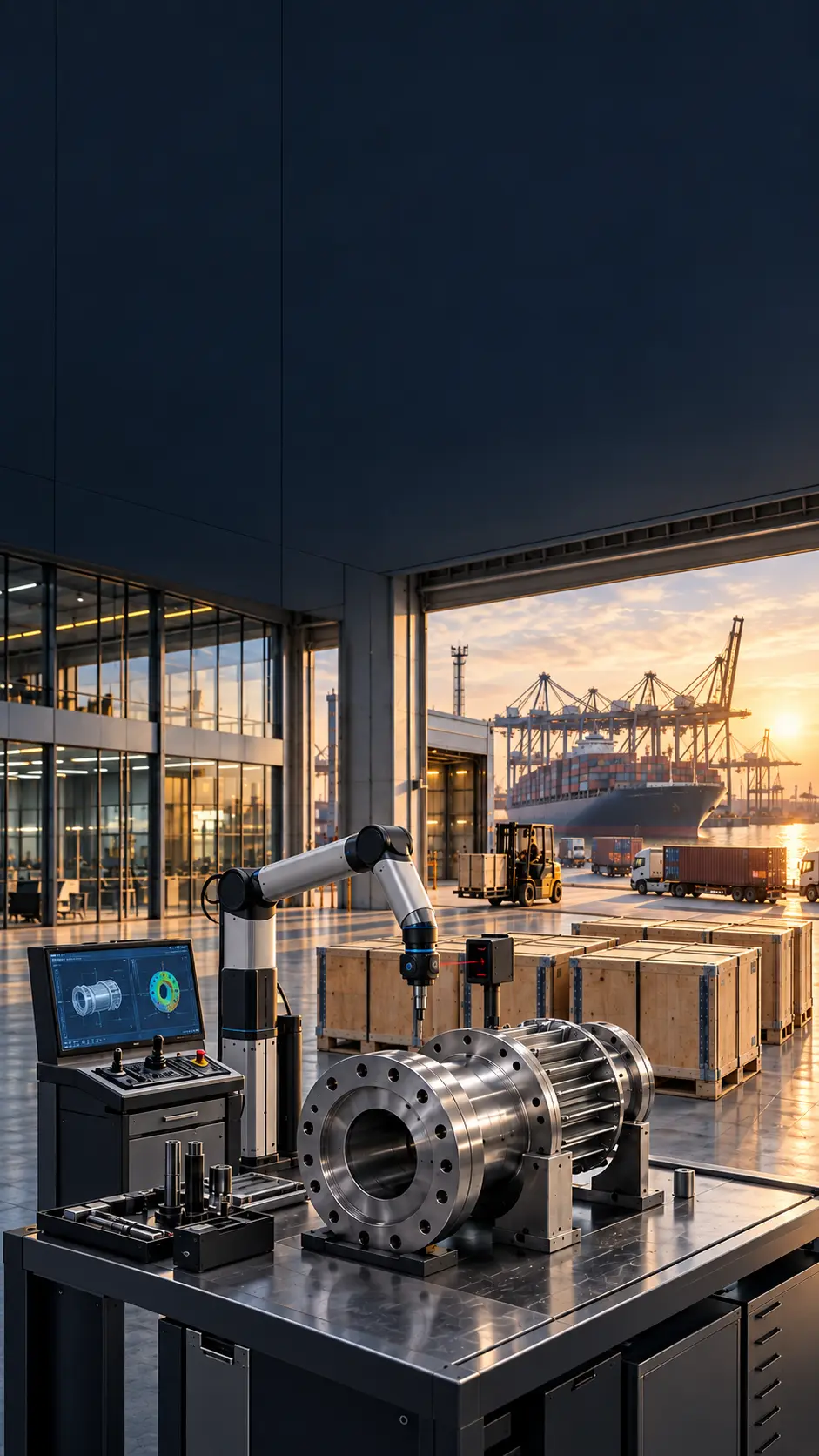
Hamed Khodabakhshi and the HKT sourcing team connect requirement, supplier and shipment from Iran.
Buyer requirement, product selection, purchase, quality control, export packing, customs and international freight are managed by HKT Export as one connected commercial route.
Hamed Khodabakhshi starts sourcing before a supplier is contacted.
Hamed Khodabakhshi leads HKT Export as a direct sourcing and trading partner in Iran for international B2B buyers. The process begins with the buyer's real requirement: product, specification, quantity, quality level, intended application, destination, delivery timing and commercial priorities.
The first responsibility of Hamed Khodabakhshi and the HKT sourcing team is to help the buyer define what should actually be purchased. That can mean comparing technical alternatives, grades, production methods, available Iranian manufacturers, packing requirements, route options and budget realities before a supplier is selected.
Consultation is designed to improve the purchase, not complicate it.
When several Iranian products or manufacturers can meet the requirement, the HKT team compares the alternatives commercially and technically, clarifies trade-offs and helps the buyer select the option with the strongest balance of performance, credibility and cost efficiency.
Once the specification, supplier and commercial terms are approved, Hamed Khodabakhshi and HKT Export can purchase the goods in Iran as part of the agreed transaction, coordinate with the manufacturer or supplier, follow production or preparation and keep the sourcing decision connected to execution.
The HKT sourcing team checks quality before the cargo becomes difficult to correct.
Pre-shipment inspection is built by the HKT sourcing team around the product and the commercial risk. HKT Export coordinates inspections through trusted independent and specialized quality-inspection companies in our network, selected according to the type of goods and the level of technical control required.
For industrial and manufactured goods, the inspection scope may include dimensional checks, welding or fabrication review, surface condition, component verification, functional checks, non-destructive testing or other specialized controls when justified. Inspection records and evidence can be connected to the shipment file so a buyer is not relying only on verbal confirmation from the seller.

The HKT sourcing team inspects where defects can still be corrected.
Manufacturing condition, workmanship and agreed technical criteria are checked before the goods move into final export packing.
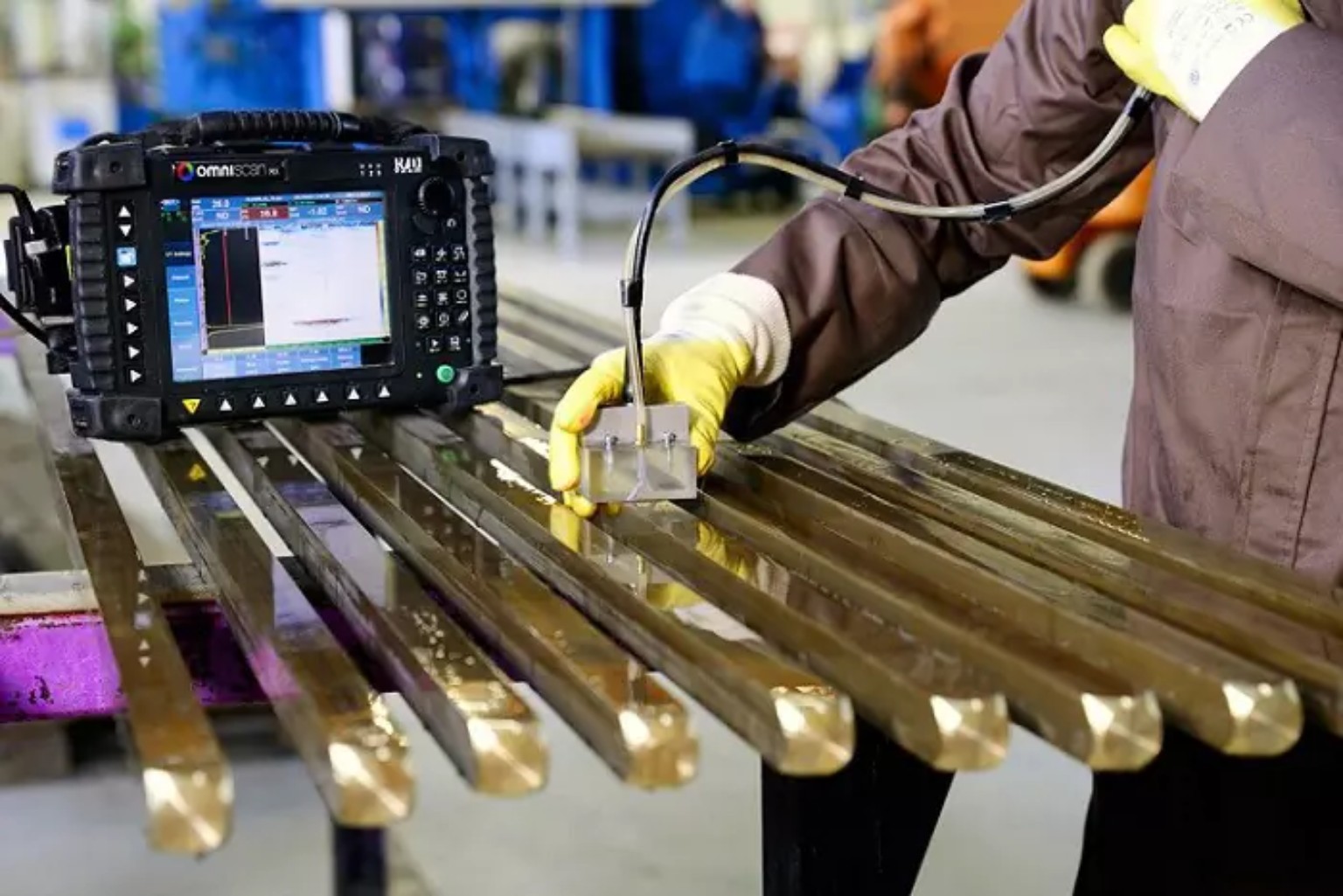
Hamed Khodabakhshi commissions specialized controls when the product needs more than a visual check.
Inspection scope can be matched to product risk, specification and buyer acceptance requirements.

The HKT team uses inspection evidence to support a cleaner commercial decision.
Documented checks help the buyer understand what is ready to ship before packing, customs and freight begin.
The HKT team treats packing as part of the product, not an afterthought.
Export packaging arranged by Hamed Khodabakhshi and the HKT team has to protect the goods against handling, vibration, stacking, moisture, movement, route conditions and the realities of international transport. HKT Export coordinates packing according to the product, route and destination.
For machinery and industrial equipment, good packing also has to support safe lifting and container loading. A crate that looks substantial but does not restrain the machine correctly can still fail during transport. Our packing objective is practical: protect the agreed goods, make loading manageable, reduce avoidable movement and give the freight chain a clear, stable cargo unit.
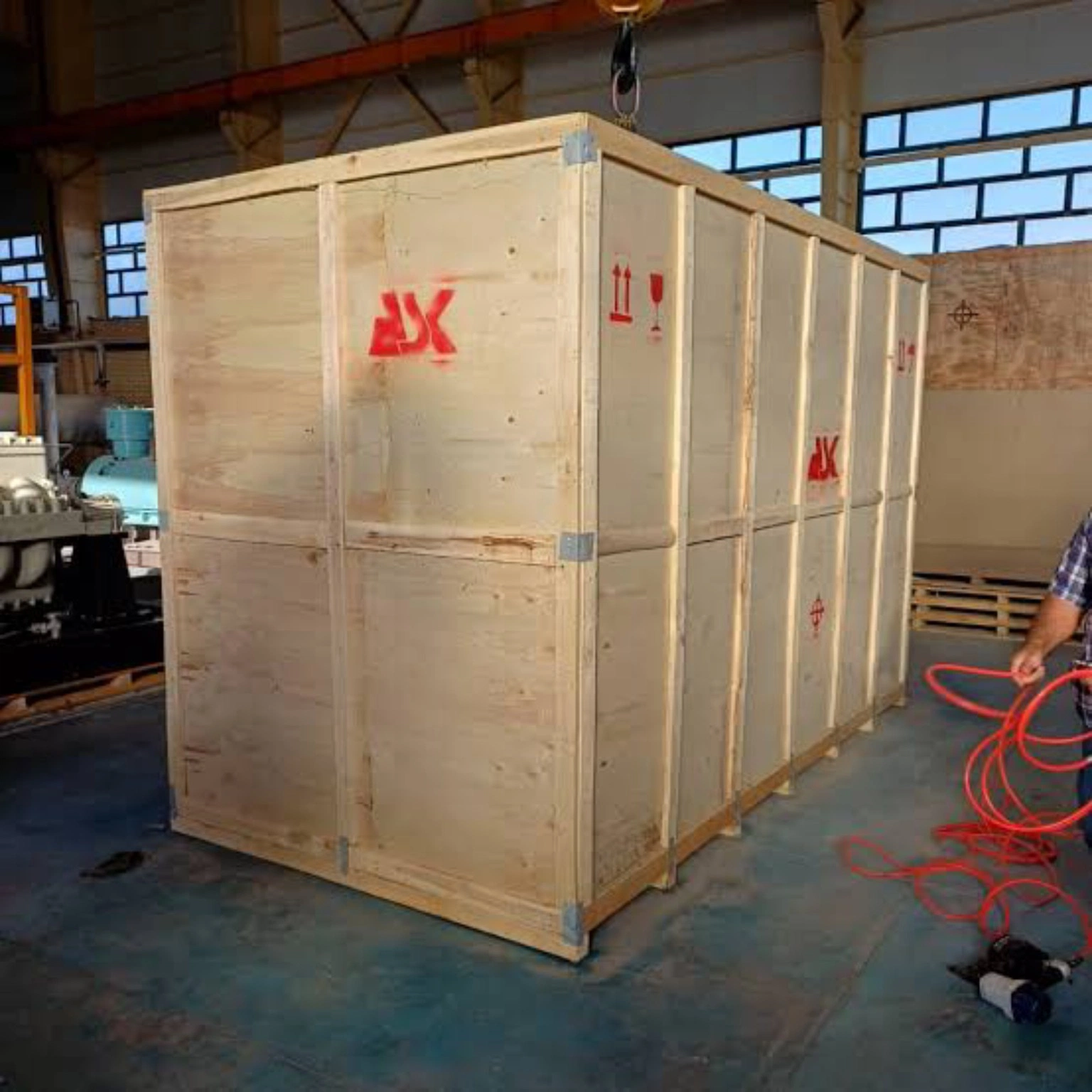
HKT Export applies protective packing matched to size, weight and handling risk.
Industrial cargo is prepared so the packaging supports both protection and safe logistics.
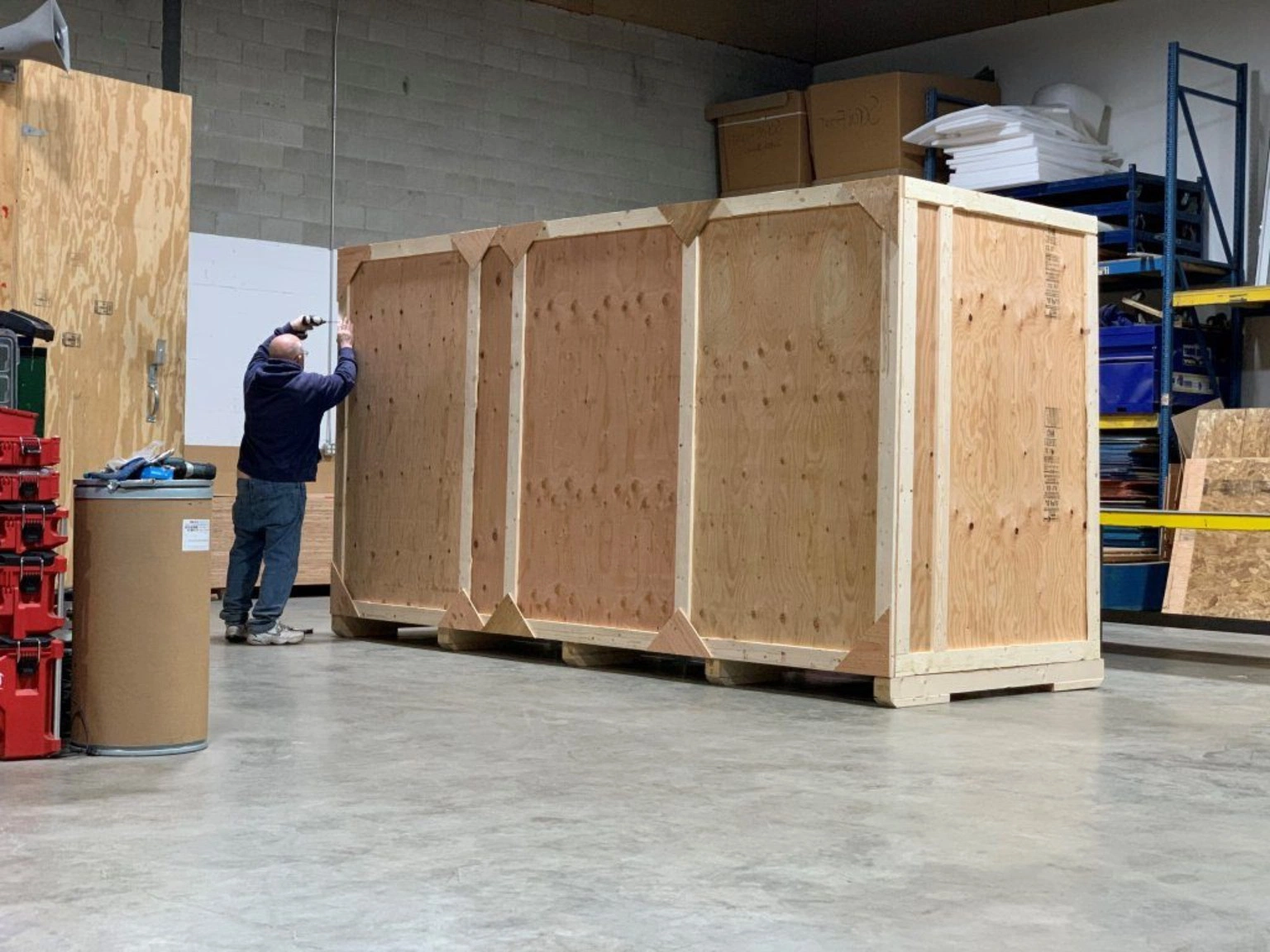
The HKT team builds crates around the cargo—not the other way around.
Dimensions, lifting points and internal restraint should reflect the actual equipment and transport plan.
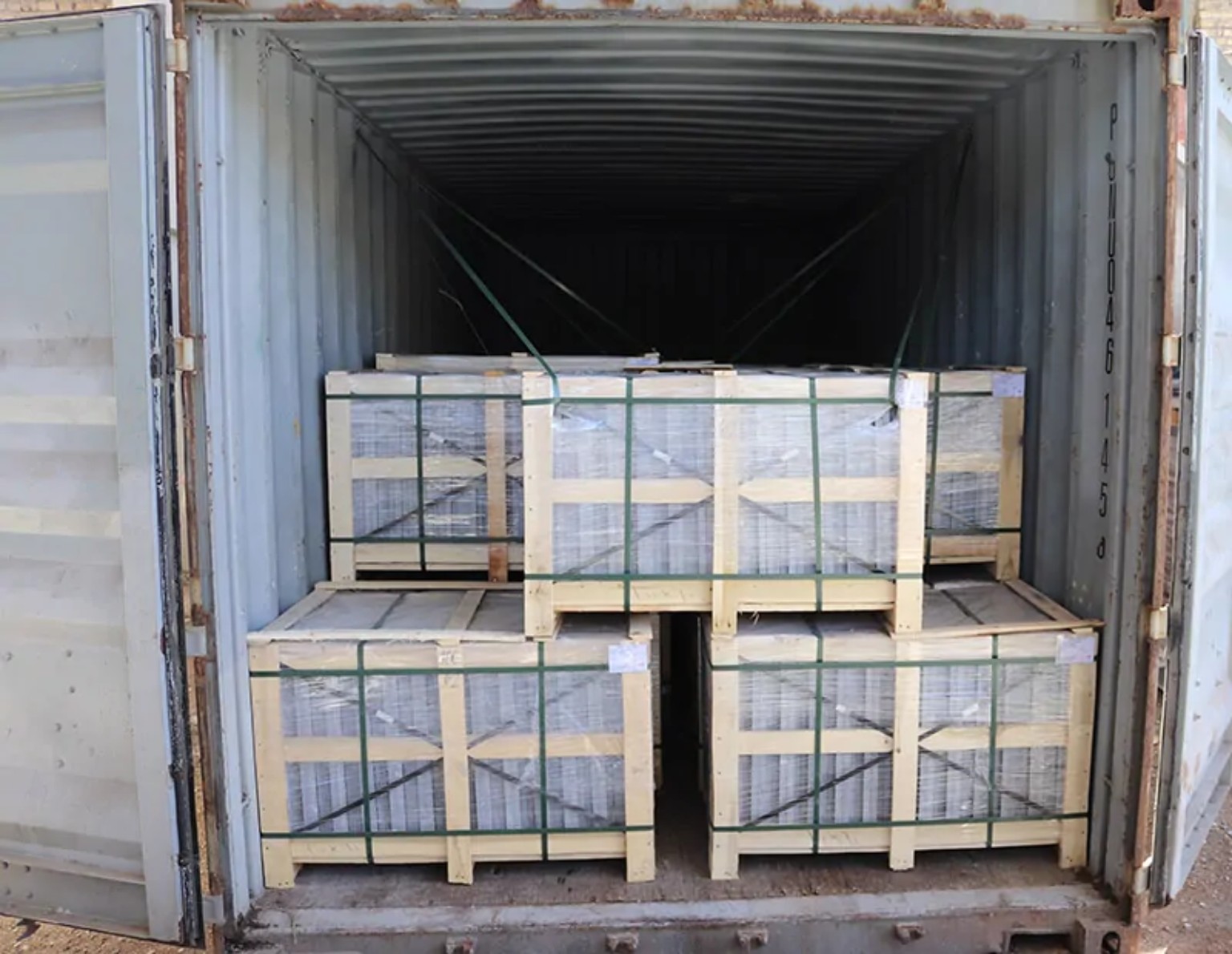
Hamed Khodabakhshi prepares export packing around real handling conditions.
Strapping, wrapping and structural support reduce avoidable movement during the freight cycle.
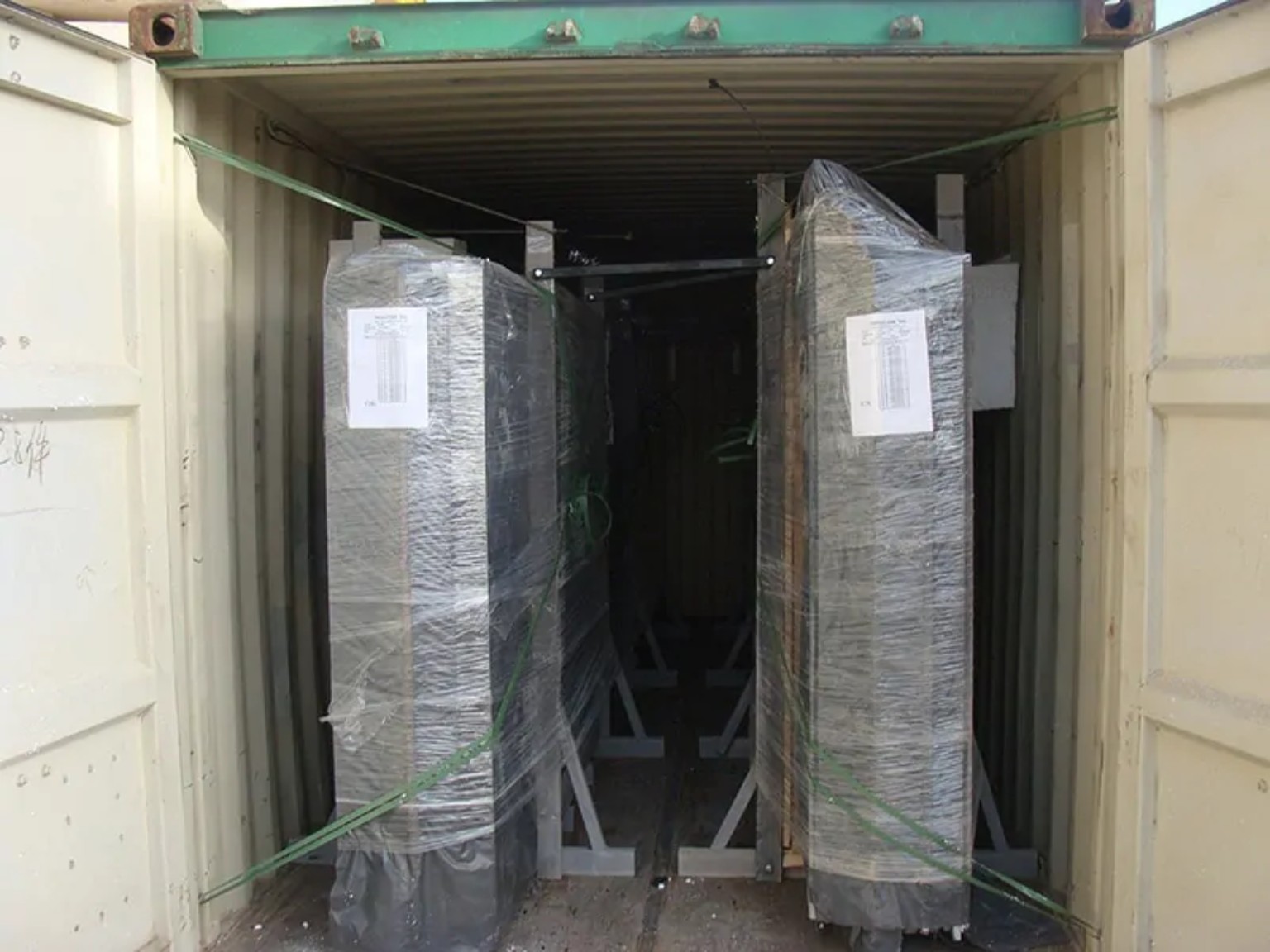
The HKT team keeps protection active after the crate is closed.
Placement and restraint inside the container are part of the same packing responsibility.
HKT Export knows a good shipment can still be damaged by a careless loading plan.
Hamed Khodabakhshi and the HKT team treat loading as a control point. Cargo dimensions, weight distribution, orientation, lifting method, container space and restraint need to make sense together. Loading is coordinated so packages are placed deliberately rather than pushed into the transport unit at random.
Careful loading is especially important for machinery, fragile manufactured goods, heavy crates and mixed cargo. The objective is to reduce movement, prevent contact damage, use the available transport space intelligently and leave the cargo in a condition compatible with customs, inland movement and the final freight mode.
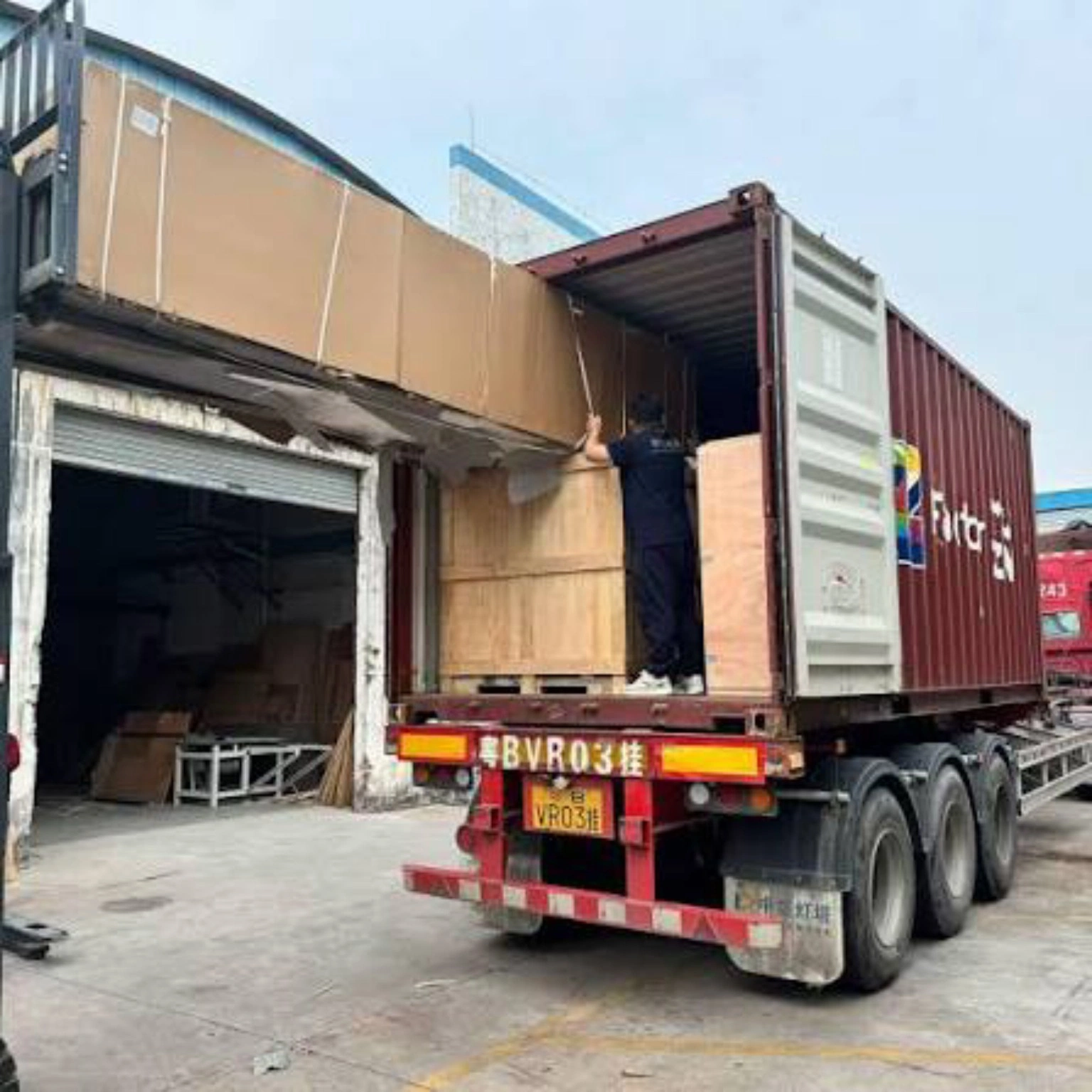
The HKT sourcing team controls loading as part of cargo protection.
Weight, package orientation and container space are considered before the doors are closed.
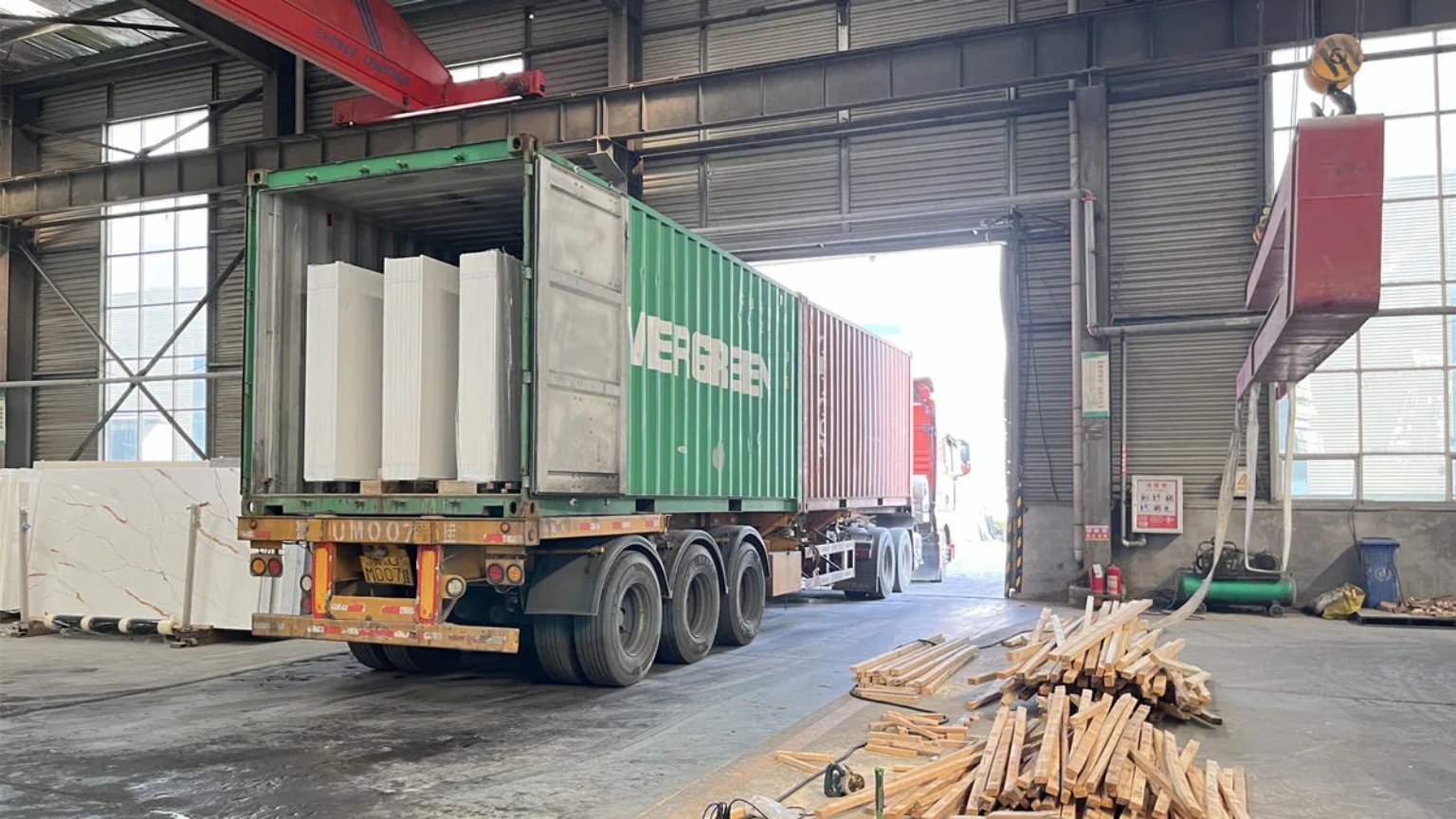
With HKT Export, the shipment moves from factory floor to transport unit with fewer uncontrolled handoffs.
The shipment remains connected to the commercial plan as it leaves production.
Hamed Khodabakhshi and the HKT team prepare documentation and customs before urgency appears.
Export cargo can lose days when documents, classifications, packing information or shipment details are addressed only after the goods arrive at the customs stage. Hamed Khodabakhshi and the HKT team coordinate the administrative side early, preparing the file with the shipment in mind rather than trying to repair it at the terminal.
Our objective is to complete customs clearance and export formalities in the shortest practical time compatible with correct documentation and legal procedure. The exact documents depend on product, destination and transport mode, but the principle is consistent: prepare early, match documents to the real cargo and keep communication between supplier, inspection, packing, customs and freight aligned.

For HKT Export, customs is a planned stage of the transaction.
Shipment documents and cargo information are coordinated so clearance is not treated as a last-minute problem.

The HKT team keeps administrative execution connected to the actual goods.
Quantity, packing, route and documents need to tell the same commercial story.
The HKT logistics team uses road transport for regional delivery and overland trade routes.
Road freight is often the practical choice for shipments moving from Iran to neighboring countries, the Caucasus, Central Asia, Türkiye and onward over connected land routes. The HKT logistics team coordinates the road leg according to cargo dimensions, weight, border requirements, transit conditions, destination and delivery timing.
The HKT team makes the transport decision in relation to the goods—not by habit. For some cargo, road transit provides faster door-to-door movement and fewer handling points. For other cargo, air or sea freight is commercially stronger. The buyer is advised on the route that best balances cost, speed, risk and destination access.
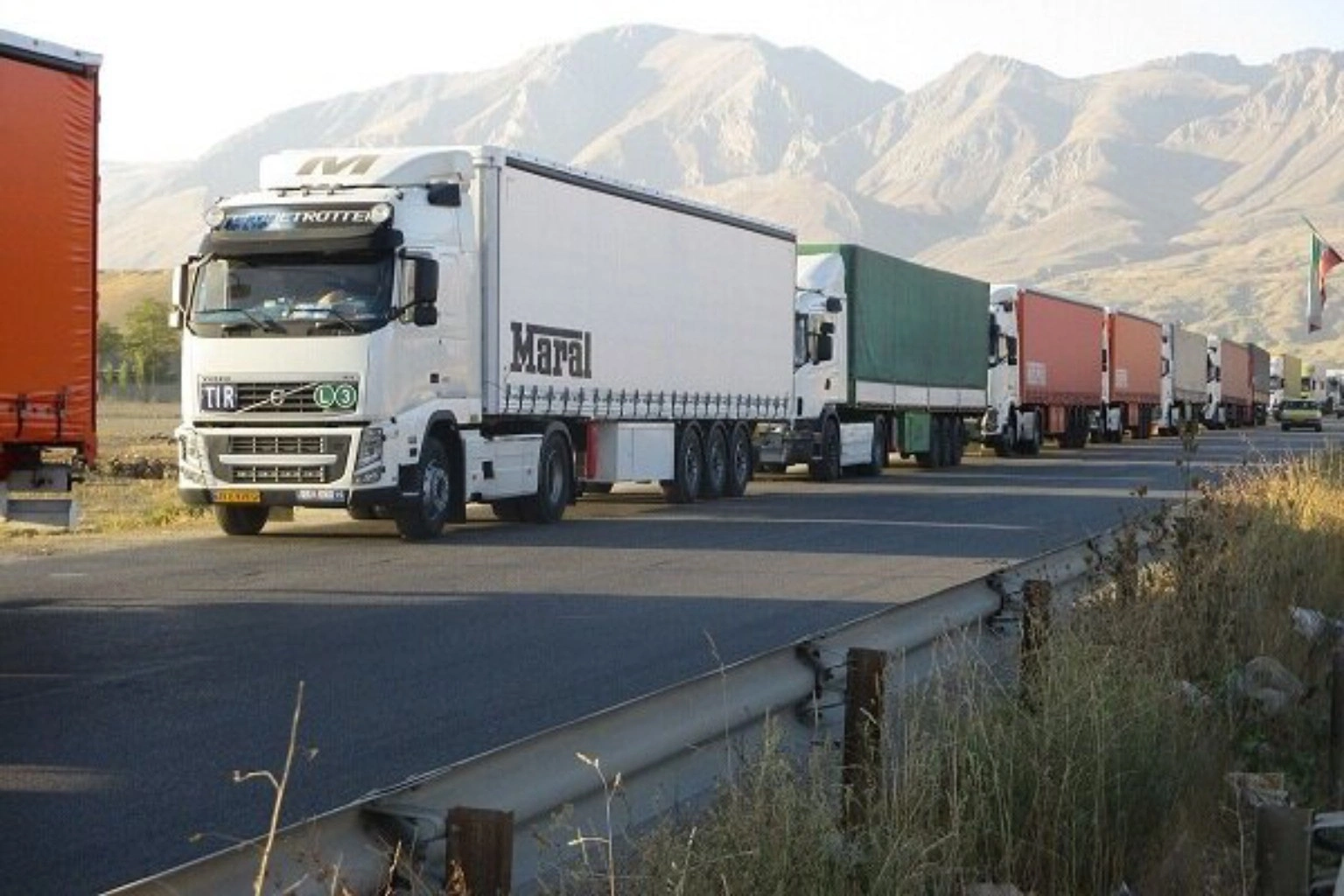
The HKT logistics team uses overland transport when regional geography makes road freight efficient.
Route, border conditions and cargo characteristics are considered together.
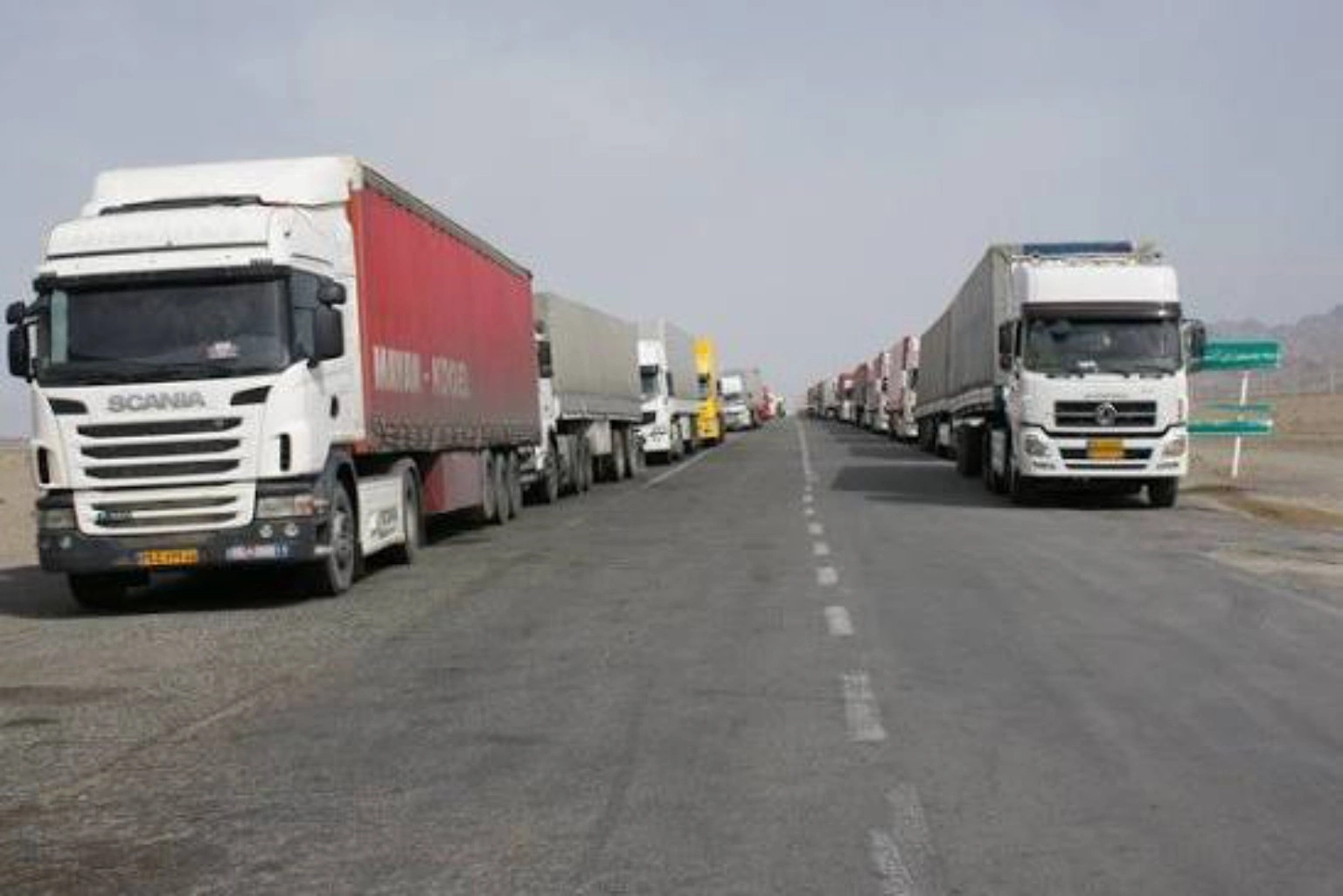
HKT ground logistics can connect factory dispatch directly to regional buyers.
For suitable destinations, fewer handling stages can improve both timing and cargo control.
The HKT team uses air cargo when time, value or urgency matters more than volume.
Air freight can be appropriate for urgent shipments, high-value goods, samples, critical spare parts, smaller commercial consignments or orders where delivery time has greater commercial value than the freight saving offered by slower modes. Hamed Khodabakhshi and the HKT team coordinate cargo preparation, export documentation and airport delivery with the selected air-freight route.
Good air-cargo preparation also means matching packing to handling rules, dimensions, weight and airline requirements. The route should be commercially justified rather than automatically chosen because it is faster. For each qualified shipment, speed is weighed against cost, product sensitivity and the buyer's real deadline.
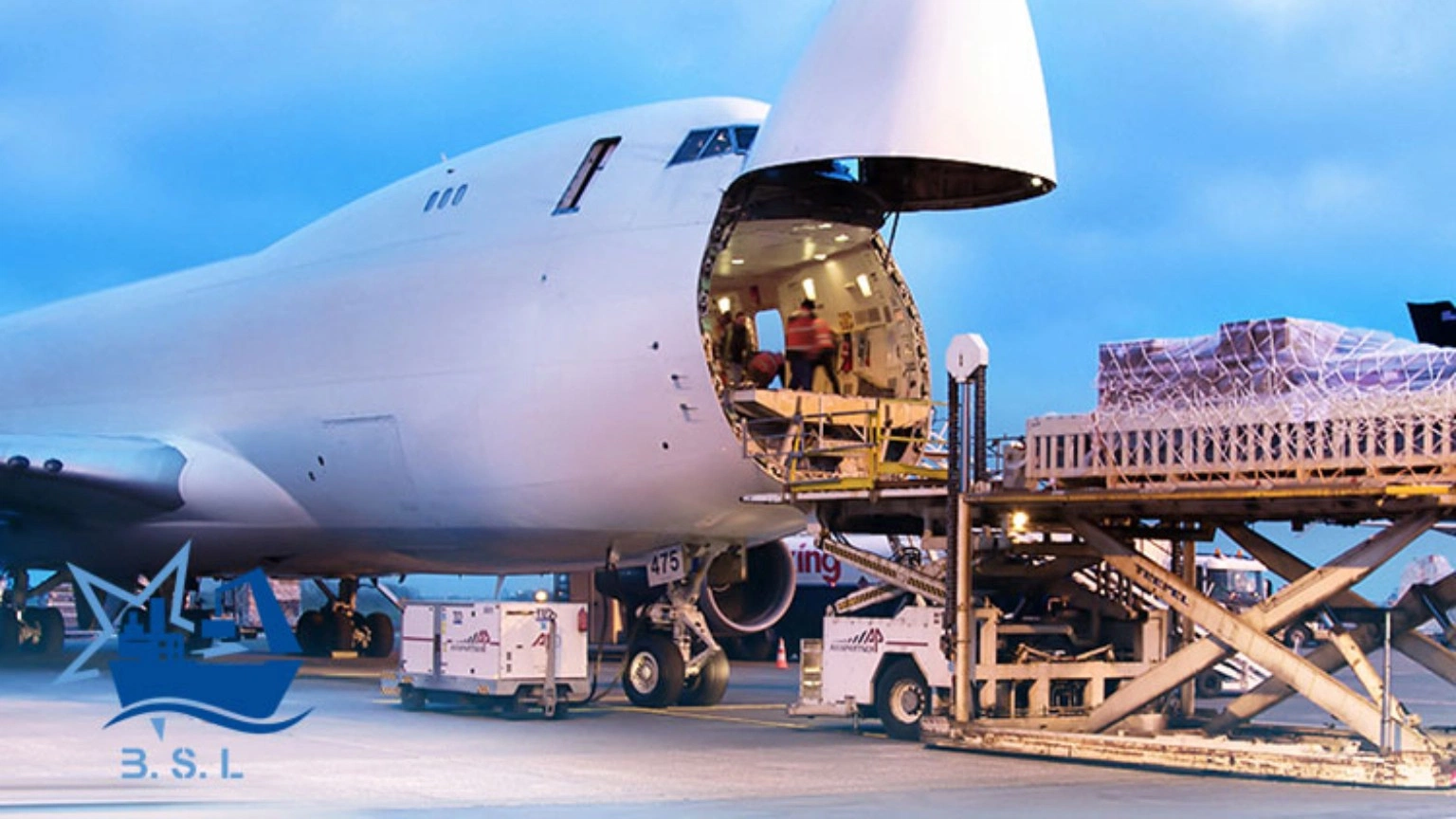
The HKT sourcing team uses fast transport when timing carries commercial value.
Air freight is selected when speed supports the transaction strongly enough to justify the cost.

HKT Export preparation continues all the way to the aircraft.
Packing, documentation and airport handling are coordinated around the same shipment plan.
Hamed Khodabakhshi and HKT Export use ocean freight for scalable international shipments.
Sea freight is the core option for many containerized, heavy and high-volume exports where cost efficiency matters more than transit speed. Hamed Khodabakhshi and HKT Export coordinate the route from factory and packing through container loading, export customs and delivery into the sea-freight chain, with shipment planning adapted to the cargo and destination.
For machinery, construction materials, industrial goods and other substantial B2B shipments, ocean freight can provide the strongest balance of capacity and cost. The commercial work of Hamed Khodabakhshi and HKT Export is not finished when the container enters the port. Shipment information, documents, vessel routing and destination requirements still need to remain aligned so the buyer has a coherent file through the international leg.

HKT ocean freight gives capacity and cost efficiency for substantial international cargo.
Sea freight becomes part of a controlled export chain that starts well before the port.

The HKT team keeps the shipment commercially connected after it leaves Iran.
Freight planning, documentation and destination requirements are treated as part of the same transaction.
Tell Hamed Khodabakhshi and the HKT sourcing team what you need to buy. We will determine the most credible route from Iran.
Send the product, specification, quantity, target quality, destination, timing and any budget or commercial limits already known. Hamed Khodabakhshi and the HKT sourcing team can then evaluate sourcing feasibility, supplier options, inspection needs, packing, customs and the appropriate road, air or sea freight route.
Send your sourcing requirement →